
Lifestyle
Essential Lawn Care Tips From Seasoned Local Technicians


A lawn does not get unhealthy in the middle of the night.
Thin grass, weeds, irregular growth, and the loss of color are indications that some serious problems, e.g., the imbalance of soil, the wrong time, etc., have been overlooked.
You can water regularly and cut at the right time, and yet you will not get good results, since the underlying causes are not being pursued. It is the disappointment in the hard work that does not pay off.
The answer does not lie in working more, but working more carefully. Improvements can be quantifiable when lawn choices are made on the condition of the soil, timing of the season, and specific desired maintenance. Instead of being occasionally swept under the carpet, problems are fixed at an early stage.
This article outlines practical lawn care tips for identifying issues early and maintaining consistent lawn health.
1. Start With Soil, Not Surface Appearance
The majority of the problems in the lawn start underground. Although the color and the thickness of the grass are visible, the conditions of the soil are silently deciding whether your yard can get better or not.
This is the area where local lawn care technicians pay attention first. Compression of soil, nutrient deficiency, and poor drainage may inhibit the uptake by the root of what is required. Consequently, such frequent watering and fertilization can still not give any visible results.
Soil analysis finds out the things that your lawn is deficient in or that it is too abundant in. Rather than making assumptions, specific modifications may be conducted to enhance organization and diet. In the long run, this method enhances root systems instead of covering the symptoms.
Any other treatment becomes more effective once the soil is healthy to support healthy growth. Alternatively, the failure to do so usually results in recurring repairs that never fix the problem completely.
2. Follow a Seasonal Care Schedule, Not a Fixed Routine
Lawn care is not static. What is effective in one season might cause stress to the grass in another season. Most of the homes will be used to the same routine throughout the year, and they can eventually make the turf weak.
Time of the year influences fertilization, mowing height, aeration, and weed control. An example is the application of nutrients at the wrong time, promoting the growth of the weeds rather than the grass. On the same level, over-mowing during high stress levels will expose roots and raise moisture evaporation.
By aligning care with seasonal growth cycles, your lawn receives support when it can actually use it. This causes a more stable growth, greater tolerance to stress, and fewer corrective treatments later.
A flexible schedule gives you the opportunity to react to a situation instead of enforcing practices that are no longer effective at taking care of the lawn.
3. Mow With Purpose, Not Convenience
Mowing may seem simple, but minor changes in this area can greatly impact the health of the lawn. Excessively trimming grass weakens the grass, and mowing irregularly stresses the growth.
The blades of grass take part in photosynthesis and the retention of moisture. Roots find it difficult to regain their strength when excessive amounts are taken away simultaneously. This eventually leaves thin spots where weeds are able to grow.
Rather, keep the height low enough to shield the soil and promote deeper root development. Sharp mower blades are also important. Blunt blades do not cut grass cleanly and expose plants to more diseases.
Mowing promotes growth and not only appearance, which will make your lawn denser and more resilient, with minimal effort.
4. Water Deeply and Intentionally
Watering is often misunderstood. Frequent shallow watering may seem helpful, yet it encourages shallow roots that dry out quickly.
Deep, infrequent watering allows moisture to reach the root zone where it matters most. This plant’s roots grow downward, improving drought tolerance and overall stability.
Timing also plays a role. Watering early in the day reduces evaporation and limits conditions that promote fungal growth. In contrast, late-day watering often leaves moisture sitting on the grass overnight.
By adjusting how and when you water, you reduce waste while strengthening the lawn’s ability to manage stress naturally.
5. Address Weeds and Pests Before They Spread
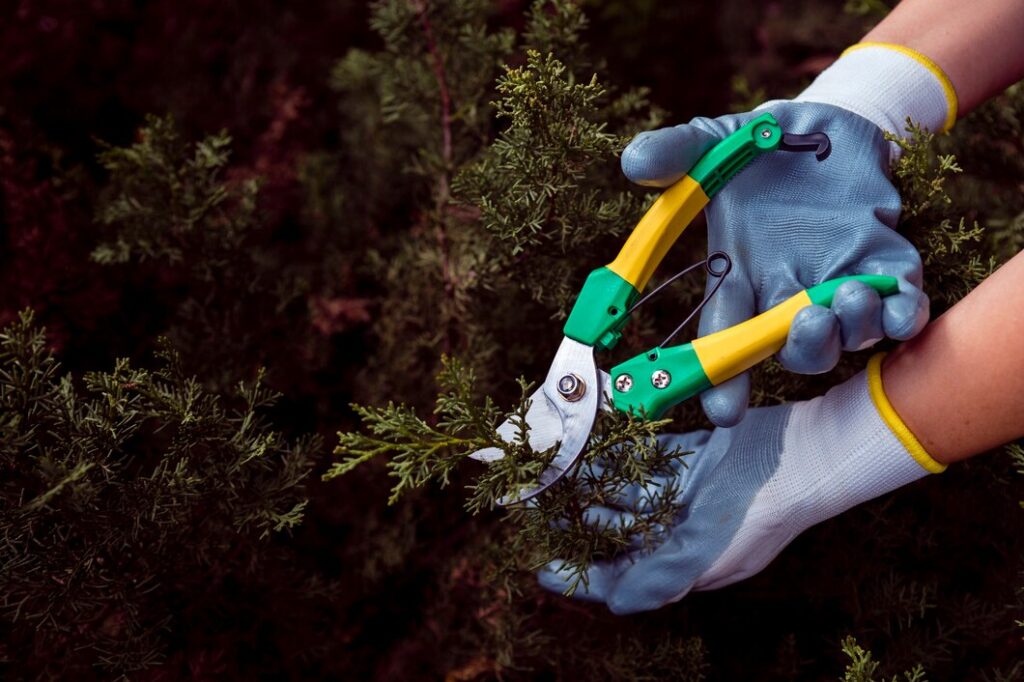
Weeds and pests rarely appear overnight. They take advantage of weak areas, thin coverage, or unmanaged growth cycles. Once established, they compete aggressively for nutrients and space.
Early intervention keeps problems manageable. Targeted treatments prevent spreading while minimizing disruption to healthy grass. Waiting too long often requires broader solutions that stress the lawn further.
Understanding why weeds or pests appear matters as much as removing them. Often, underlying issues such as compacted soil or inconsistent mowing create ideal conditions for invasion.
When prevention becomes part of your care strategy, control efforts become more precise and less reactive.
6. Support Long-Term Health With Aeration and Overseeding
Even well-maintained lawns experience gradual soil compaction. Foot traffic, weather patterns, and natural settling reduce airflow and limit nutrient movement.
Aeration relieves this pressure by creating space for roots to expand. Combined with overseeding, it fills thinning areas and improves grass density over time.
This process strengthens turf from the ground up rather than relying on surface treatments alone. As new growth establishes, it crowds out weeds and improves moisture retention.
When incorporated at the right time, aeration and overseeding reset lawn health and support consistent improvement across seasons.
Final Thoughts
Healthy lawns are built through informed decisions, not quick fixes. When you understand how soil, timing, and maintenance habits work together, lawn care becomes more predictable and less frustrating.
By applying these professional insights step by step, you give your lawn what it actually needs to thrive—strong roots, balanced growth, and resilience throughout the year.

How Online Pharmacy Services Are Changing Healthcare in the UK

How to Build a Capsule Wardrobe With Essential Pieces Every Woman Needs

Air Compressor Buying Guide: Key Features That Matter

How to Turn a Picture into PDF Online for Free?

INNOVATION IN COMMERCIAL OUTDOOR FURNITURE

Real-Life Scenarios Where Private Crypto Swaps Save Privacy in 2026

When Is an Insulated Conservatory Ceiling the Right Choice?

BlackCat Login – The Ultimate All-in-One Fintech App for Modern Money Management

Crafting Perfect Beats for Animation: How Musick AI Powers Your Visual Stories

Why Kettlebell Training Is Taking Over UK Gyms — And How to Get Started

Who Is Kate Garraway New Partner? The Truth Revealed

Brandi Raines Net Worth 2025: Age, Bio, Career, Husband and Children

Betsy Grunch Net Worth 2025: Salary, Career, Husband, and Life Story

Salma Shah Biography: Age, Career, Net Worth, Husband and Children

Nomia Iqbal Biography: Age, Husband, Career, Net Worth and BBC Journey

Kay Crewdson Biography: Age, Date Of Birth, Husband, Children, and Net Worth

Sophia Wenzler Biography: Age, Date of Birth, Husband, Career Story, and Net Worth

Justin Basini Biography: Net Worth, Success, ClearScore, And His Big Ideas

Ági Barsi’s Untold Story: Sister Of Judith Barsi And Her Battle With Cancer

Mike Danson Biography: Age, Net Worth, Wife, Children and Full Story
How Online Pharmacy Services Are Changing Healthcare in the UK
How to Build a Capsule Wardrobe With Essential Pieces Every Woman Needs
Air Compressor Buying Guide: Key Features That Matter
How to Turn a Picture into PDF Online for Free?
INNOVATION IN COMMERCIAL OUTDOOR FURNITURE
Real-Life Scenarios Where Private Crypto Swaps Save Privacy in 2026
When Is an Insulated Conservatory Ceiling the Right Choice?
BlackCat Login – The Ultimate All-in-One Fintech App for Modern Money Management
Crafting Perfect Beats for Animation: How Musick AI Powers Your Visual Stories
Why Kettlebell Training Is Taking Over UK Gyms — And How to Get Started
-
 News6 months ago
Who Is Kate Garraway New Partner? The Truth Revealed
-
 Net Worth12 months ago
Brandi Raines Net Worth 2025: Age, Bio, Career, Husband and Children
-
 Net Worth12 months ago
Betsy Grunch Net Worth 2025: Salary, Career, Husband, and Life Story
-
 Biography11 months ago
Salma Shah Biography: Age, Career, Net Worth, Husband and Children