
Connect with us

Health

Remote Patient Monitoring Companies and Their Impact on Healthcare

Published

on

Remote Patient Monitoring Companies and Their Impact on Healthcare
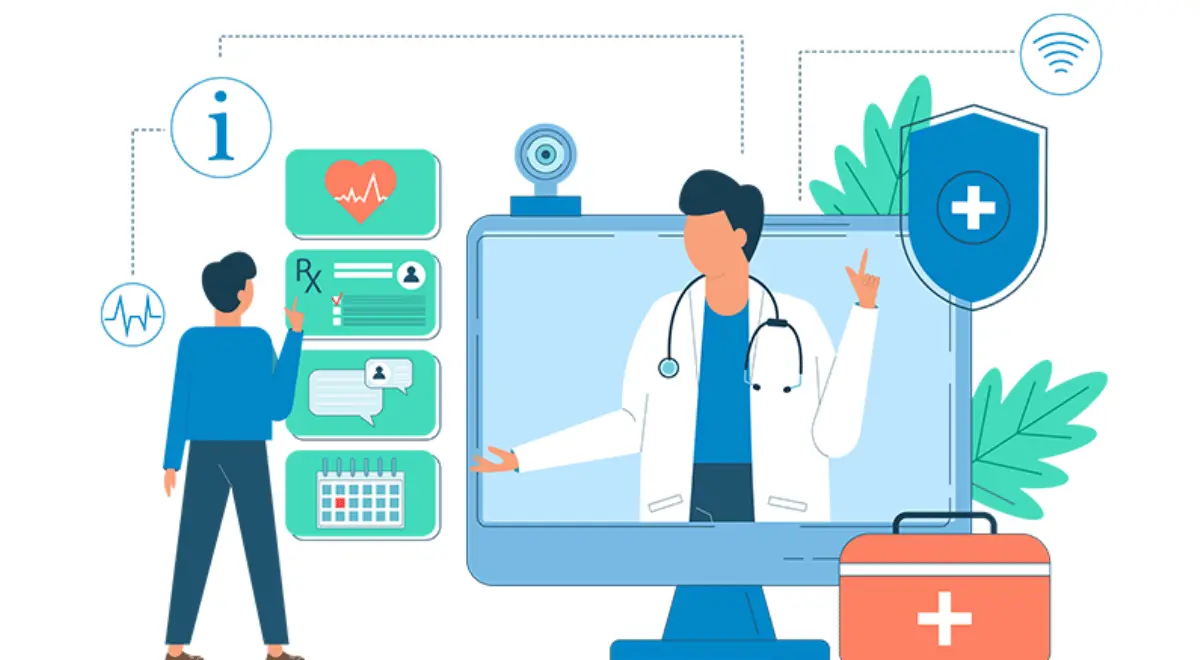
With the growth of open and long-term, technology-driven care, particularly in healthcare systems, a remote patient monitoring company is a more popular role than ever. The providers are increasingly pressured to deal with increasing patient loads, the prevalence of chronic illnesses, and workforce shortages at the same time, while guaranteeing quality and ensuring costs.

Remote patient monitoring companies respond to these issues by providing platforms and services that allow clinicians to monitor the health of patients outside of the conventional clinical environment, allowing clinicians to intervene earlier and provide care more proactively.

Core Responsibilities of Remote Patient Monitoring Companies

A remote patient monitoring company designs and maintains the technology infrastructure that enables the patient health data to be collected, transmitted, and analyzed remotely. These companies normally offer an integrated set of interrelated medical equipment, software applications, analytics, and support services. They do not just perform the role of technology, however, since they usually assist healthcare organizations in designing workflows, involving patients, and complying with regulatory and reimbursement demands. RPM companies facilitate care teams to have a view of patient health between visits by acting as a bridge between the patients and providers.

Enabling Continuous Care Delivery

The reason why remote patient monitoring companies come in handy to support care delivery is that they promote the flow of data between patients and care teams on a continuous basis. Devices like blood pressure monitors, glucose meters, pulse oximeters, or wearable sensors are used by patients at their homes. This data is safely sent to clinicians via the RPM platform, and trends are analyzed, and alerts are triggered on abnormal readings. This enables the providers to act promptly to the changes of the patient’s status as opposed to the periodic check-ups. This ongoing monitoring in the long term helps in managing chronic disease and minimizing unnecessary hospital admissions.

Clinical and Operational Benefits for Providers

As a healthcare provider, having a remote patient monitoring company to collaborate with has a clinical and operational advantage. Constant surveillance can allow for identifying the worsening in time, thus improving interventions and outcomes. RPM companies commonly offer operational tools that automate the data collection, documentation, and reporting capabilities, and cut on the administrative load on clinical staff. Most of the RPM companies provide services of onboarding, training, and engaging patients, assisting providers rolling out remote monitoring programs in a manner that will not interrupt the current work processes.

Value for Patients and Care Teams

Patients served by the services of specialized companies using the RPM solutions gain access to quality care and enhanced involvement in personal health. Remote monitoring saves on the cost of visiting patients on a regular basis, and this is particularly important in cases of mobility problems or in the case of patients living in remote areas. Constant feedback and communication make patients realize how their daily practices could influence their health, enhancing their compliance with treatment plans. Regarding care teams, access to real-time data improves clinical confidence and assists in making more informed decisions.

Technology, Security, and Compliance Standards

Any remote patient monitoring company must have technology reliability and data security as its critical responsibilities. The platforms have to be seamlessly integrated with the electronic health records and enable the scalability of device management. No less significant is adherence to data privacy laws, including those that are implemented through the Health Insurance Portability and Accountability Act. To guarantee the safety of sensitive patient data and preserve trust, RPM companies should make sure that the data is transmitted encrypted, stored, and access-controlled based on roles.

Reimbursement and Financial Support

Another important contribution of remote patient monitoring companies is the facilitation of navigation through reimbursement models by providers. The adoption of RPM has been enhanced in the United States in reimbursement frameworks that are accepted by the Centers for Medicare and Medicaid Services to compensate providers of non-face-to-face activities of care. The remote monitoring programs have become more cost-effective for practices of any size, as many RPM companies provide tools and guidance to help in documentation, timekeeping, and billing compliance.

Regulatory and Industry Considerations

The remote patient monitoring regulatory environment is still in the development stage. The used devices in RPM programs are required to be safe and be of good performance quality that is regulated by entities like the U.S Food and Drug Administration. The remote patient monitoring firms have to remain in line with these regulations as they cope with varying policies on reimbursement and data use. This continual compliance is necessary towards long term viability and scalability.

Conclusion

The remote patient monitoring companies are emerging as crucial partners in the current healthcare delivery. They are essential as they facilitate patient outcomes and efficiency of operations by offering continuous monitoring, supporting coordination of care, and assisting the providers in navigating a complex regulatory and reimbursement environment.

The appropriate RPM firm can empower clinical teams with the capability to offer proactive and patient-centered care, although technology is not the solution to clinical judgment. With the healthcare system still shifting to integrated and value-based systems, remote patient monitoring firms will keep playing a key role in defining the nature of care that may be offered outside the clinic.


Continue Reading

Categories

Trending