Connect with us

Home Improvement

How Smart Tech Is Changing Garden Maintenance Across the UK

Published

on

Garden Maintenance Across the UK

Moving house in Sydney is a lot like trying to navigate the M2 during peak hour. It’s chaotic, surprisingly expensive, and usually leaves you feeling a bit worse for wear. Just when you think the last box is taped up, you discover the ‘Shadow Realm’ behind the fridge.

Dust has gathered in every corner, and the oven looks like it hasn’t seen a sponge since 2010. Here’s why letting a professional team handle the grime is the only way to protect your sanity.

Robot Mowers Keep Lawns Perfectly Trimmed

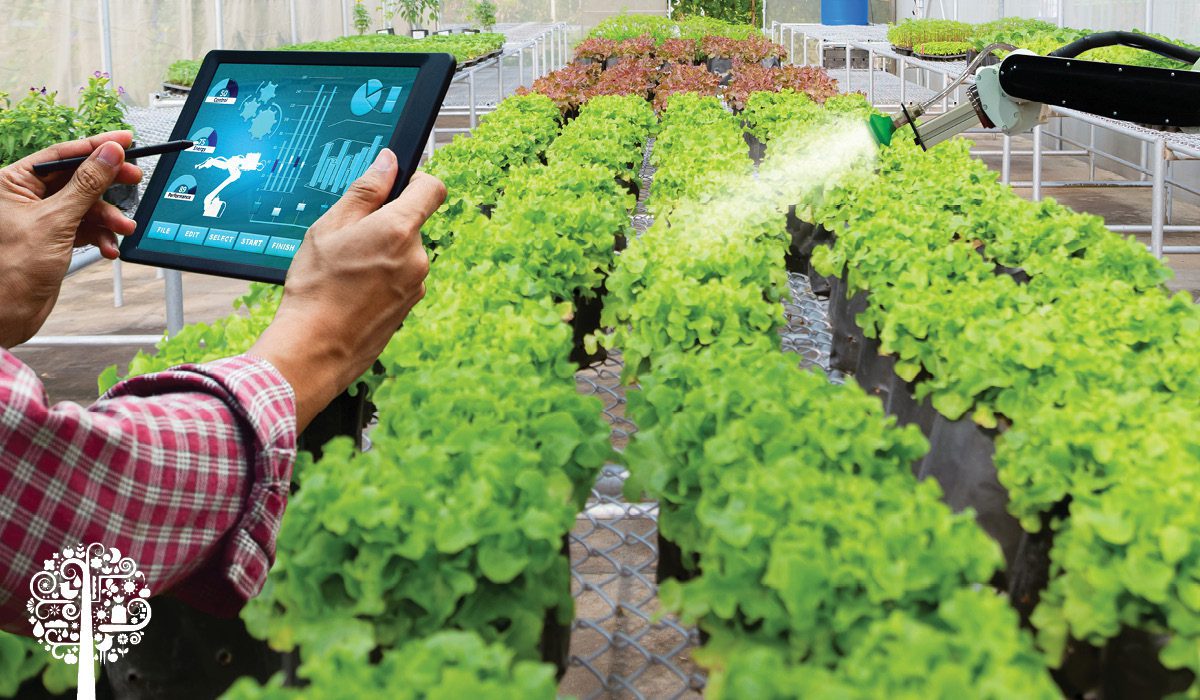
Robot mowers operate as autonomous lawn-cutting systems, maintaining your grass with minimal input from you. They map the layout of your garden, recognise set boundaries, and follow a programmed schedule controlled through your mobile app.

The beauty is that they work so frequently that the clippings are tiny and act as natural fertiliser for the soil. No more dragging out heavy equipment or spending hours pushing a mower in stripes that never quite look professional.

They charge themselves, avoid obstacles, and even return to base when it starts raining. It’s like having a very dedicated gardener who never complains about the weather or asks for tea breaks.

Smart Irrigation Systems Prevent Water Waste

British weather is famously unpredictable, which makes knowing when to water your plants a genuine guessing game. Smart irrigation systems connect to local weather forecasts and soil moisture sensors to water only when necessary.

This means your garden gets exactly what it needs without you accidentally drowning your roses during a surprise rainstorm. The systems adjust automatically, delivering precise amounts of water to different areas based on plant type and sunlight exposure.

You can control everything from your phone, even when you’re on holiday in Spain. It’s brilliant for conservation too, cutting water bills while keeping everything lush and green during those rare summer droughts.

Automated Lighting Extends Your Garden Time

Smart outdoor lighting does more than just illuminate your path to the bins at night. Modern systems adjust brightness based on ambient light levels and can highlight specific features in your garden automatically.

Motion sensors mean lights only activate when needed, saving energy while keeping your space secure from unwanted visitors. You can programme different scenes for entertaining, relaxing, or simply showing off your prize-winning hydrangeas.

Some smart outdoor lights can be scheduled or set to turn on as daylight fades, helping illuminate your garden efficiently. It transforms your garden into a usable space even during Britain’s notoriously long winter evenings.

Soil Sensors Take the Guesswork Out of Plant Care

Sticking your finger in the soil and hoping for the best is no longer the height of horticultural sophistication. Smart soil sensors measure moisture, pH levels, light intensity, and nutrient content in real-time.

They send alerts to your phone when plants need attention, telling you exactly what’s wrong before leaves start turning suspicious colours. No more killing plants through mysterious means and blaming it on bad luck or positioning.

These sensors are particularly useful for the UK climate, where conditions can change dramatically within hours. They help you understand what’s actually happening beneath the surface rather than relying on guesswork and optimism.

Weather Stations Predict Garden Conditions

Personal weather stations can provide more localised data than general forecasts, helping gardeners make informed decisions. They track temperature, rainfall, wind speed, and humidity specifically for your postcode.

This information feeds into other smart devices, creating an interconnected system that responds to actual conditions in your space. The benefits include:

  • Frost warnings before your tender plants are damaged overnight;
  • Accurate rainfall data so you know when watering is actually needed;
  • Wind speed alerts that tell you when to secure loose items or delay planting;
  • Historical patterns that help you plan better over seasons and years.

It’s like having a meteorologist living in your shed, minus the complicated charts and incomprehensible terminology.

Smart Greenhouses and Automated Ventilation

Traditional greenhouses require constant monitoring, especially during Britain’s mood-swing spring days when morning frost gives way to afternoon heat. Smart greenhouse systems monitor temperature and automatically open roof vents when conditions become too warm.

The same sensors trigger heating elements or send alerts before overnight temperature drops threaten your seedlings. It’s the difference between waking up to healthy plants and discovering a frost-ravaged disaster before breakfast.

Humidity regulation prevents the damp build-up that turns enclosed spaces into mould factories within days. You can check conditions and adjust settings remotely through an app, which means less daily checking and fewer lost seedlings to unpredictable British weather.

Composters That Speed Up Waste Processing

Traditional composting requires patience, turning, and a willingness to tolerate some genuinely unpleasant smells wafting across the patio.

Some advanced composters can help speed up decomposition by monitoring moisture and temperature, reducing the effort required compared with traditional methods.

They mix the contents automatically and maintain optimal conditions throughout the process. What you get is:

  • Kitchen scraps turned into rich fertiliser in weeks instead of months;
  • Automatic mixing that eliminates the need for manual turning;
  • Notifications when compost is ready to use;
  • Perfect carbon-to-nitrogen ratio suggestions based on what you’re adding.

It’s composting for people who want results without becoming obsessed with decay rates and worm populations.

Smart Garden Security and CCTV

Garden sheds are magnets for opportunistic thieves, and expensive tools have a habit of disappearing from supposedly secure spaces. App-connected cameras provide live feeds and motion alerts for sheds, side gates, and back gardens without requiring professional installation.

Motion-activated lighting integration means lights switch on only when movement is detected, which is far more effective than leaving everything blazing all night.

Smart doorbells covering driveways and front gardens monitor deliveries and deter the kind of theft that happens in broad daylight.

The recorded footage provides solid evidence for insurance claims when things do go wrong.

Many professionals offering garden maintenance in the UK now recommend security systems as part of protecting your outdoor investment. This is especially important if you’ve got expensive equipment or valuable plants on display.

It’s not security theatre that makes you feel safer whilst doing nothing, it’s practical protection for tools, parcels, and property with minimal effort on your part.

Conclusion

So there you have it: your complete guide to how smart technology is dragging British gardens into the 21st century. Whether you embrace robot mowers or stick with traditional methods depends entirely on your tolerance for gadgets, but now you know what’s possible.

Congratulations on making it this far without nodding off during talk of soil sensors. Whether you experiment or just plan ahead, it’s a win for your garden.


Continue Reading

Categories

Trending