
Connect with us

Blog

What Is AnonIBs? The Truth About Anonymous Image Boards

Published

on

What Is AnonIBs? The Truth About Anonymous Image Boards
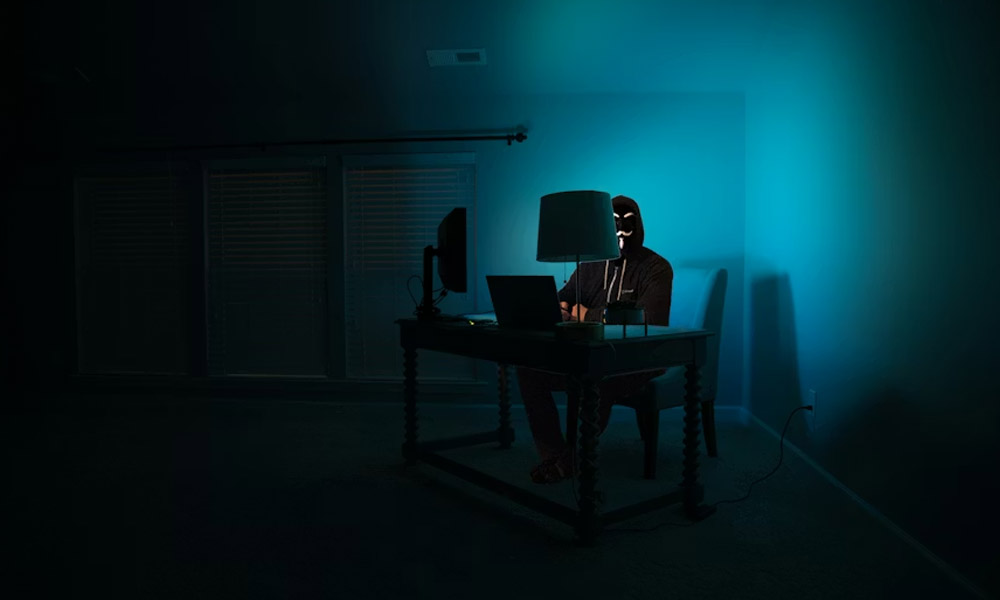
Have you ever come across a website where people post pictures, stories, or questions without showing who they are? No name, no profile, no followers—just a post and a message. That’s the world of anonymous boards. For many, it feels like a secret corner of the internet where people can speak freely.

One of the most talked-about websites in this space was AnonIBs. It gave people the power to post images and messages without using their real identity. But while some saw it as a place for open sharing, others saw serious problems. In today’s article, we’ll explore what AnonIBs really was, why people used it, how it worked, and what made it so controversial.

What Is AnonIBs and How Did It Start?

AnonIBs stands for “Anonymous Image Board.” It was a website where people could upload images and start discussions without creating an account or using their name. Just like that, you could jump into a conversation or post a photo without anyone knowing who you were.

The idea came from other image boards like 4chan, where anonymity was part of the culture. But AnonIBs focused more on images and specific topic threads, often based on interests or locations. Over time, it became a hotspot for people who wanted to share or view content privately and without limits.

But as the site grew, so did the problems. What started as a space for free expression slowly turned into something darker—and that’s where the trouble began.

Why Do People Use Anonymous Image Boards?

So, why do people even go to websites like AnonIBs?

One big reason is freedom. On social media like Facebook or Instagram, you’re tied to your name and face. But on AnonIBs, you could post anything without anyone knowing who you are. That made people feel more relaxed and honest.

Another reason is curiosity. Some people just want to explore what others are saying or posting when there are no filters. It’s a different kind of experience compared to regular social apps. And for some, it became a place to share secrets, vent emotions, or even ask for advice—things they wouldn’t do with their real name showing.

Of course, not all reasons were harmless. Some used the site to gossip, spread rumors, or worse. That’s when the line between freedom and harm became blurry.

How Did AnonIBs Work?

AnonIBs was very simple to use. You didn’t need to sign up or create an account. You could just visit the site, pick a topic board, and start posting. Most of the time, people would upload a photo or a screenshot and write a short message or question.

Other users would then reply—usually without a name. The replies could be helpful, funny, rude, or even harmful. Since no one had a public profile, there were no likes, followers, or bios. Just messages and images in a long thread.

This kind of setup made things move quickly. New topics came and went all the time. It felt like a stream of pure thoughts and pictures—completely unfiltered.

The Popular Features of AnonIBs

Even though AnonIBs wasn’t fancy, it had features that made it stand out.

  • Image uploads were fast and easy. You could share a picture with just one click.

  • Boards were based on topics or locations. That made it easy to find content that matched your interests.

  • No registration was needed. This made the platform feel open to anyone.

  • Content was visual-first. Instead of long text posts, most threads started with pictures, memes, or screenshots.

For many users, this made it exciting. You could scroll through threads and see all kinds of content without needing to join anything or reveal your name. But with that freedom came risks—and some of them were very serious.

The Dark Side of AnonIBs

Here’s where things started to go wrong.

Because AnonIBs had no rules and no clear moderation, people began using it to post things they shouldn’t. Some users uploaded private images of others without consent. Some threads were used to ask for or share sensitive pictures. This wasn’t just wrong—it was illegal in many countries.

The people in those photos didn’t know they were being shared. And once something is on the internet, it spreads fast. Victims had no way to remove the pictures or find out who posted them.

There were also stories of bullying, harassment, and harmful rumors. And because everyone was anonymous, it was hard to stop the bad behavior.

Why AnonIBs Became So Controversial

As more people learned about what was happening on AnonIBs, it caught the attention of the media and law enforcement. News stories highlighted how the site was being used to share private photos without permission. In some places, police got involved and started investigations.

There were lawsuits and takedown orders. Some countries blocked access to the site completely. The internet community began to speak out against it. People realized that while anonymity can be a good thing, it can also be misused.

Eventually, the pressure became too much. AnonIBs was taken down. But the lessons it left behind are still important today.

Is It Safe to Use Sites Like AnonIBs Today?

In 2025, many people still wonder if using sites like AnonIBs is safe. The short answer is: not really. These platforms may seem fun or free, but they come with real risks.

Because there’s no login or clear rules, these sites often attract bad actors. They can post harmful things, trick users with fake links, or even spread viruses. Some users might think they’re hidden, but tech tools like IP tracking can still find them. So while it may feel safe, it’s not fully secure.

It’s also easy to fall into toxic conversations. Without names, people may say hurtful things just because they think no one will know. That’s why experts warn against using unmoderated anonymous boards like AnonIBs.

Better and Safer Alternatives to AnonIBs

If you’re looking for a place to share your thoughts or ask questions without showing your name, there are better options than AnonIBs. Some websites let you stay private but still follow rules to protect users.

  • Reddit lets people join discussions using nicknames. It also has moderators who remove harmful content.

  • Discord offers private chat groups. You can talk freely, but with safety tools in place.

  • Quora has an anonymous mode. You can ask or answer questions without showing your profile.

  • Some feedback tools or apps also let people give honest opinions while keeping things respectful.

These sites are not perfect, but they’re much safer than old platforms like AnonIBs.

What We Can Learn from the Story of AnonIBs

The story of AnonIBs teaches us a lot. First, it shows how powerful online anonymity can be. When people feel hidden, they may speak more openly. That can be good—for honest conversations or creativity.

But it also shows how things can go wrong. Without rules or kindness, people can get hurt. Private pictures were shared. Lives were affected. Some users broke the law thinking no one would find them.

So the lesson is simple: even on anonymous sites, what you do still matters. Respect, kindness, and safety should always come first.

How to Stay Safe When Using Anonymous Platforms

If you ever decide to try an anonymous site, here are some smart ways to stay safe:

  • Use a VPN to hide your real location.

  • Never post personal photos or details, like your name or school.

  • Think before sharing—once something is online, it can spread fast.

  • Avoid clicking unknown links or downloading files from strangers.

  • Stay away from harmful threads or posts that make you feel unsafe.

It’s okay to enjoy online freedom—but be smart about it. Your privacy and safety are always more important than curiosity.

The Future of Anonymous Image Boards

So what’s next for sites like AnonIBs?

Some believe that new anonymous boards will return, but with better designs and stronger rules. These may use tools like encryption or decentralized hosting to give users privacy while still blocking harmful content.

Others think we’ll see a mix of public and private features—places where you can post freely but with limits to protect users. Some might even use blockchain or AI to watch for bad behavior in real-time.

One thing is clear: online freedom isn’t going away. But more people now understand the need for balance—freedom with responsibility.

Conclusion

If you’re thinking about using a site like AnonIBs, ask yourself: Why do I want to post there? Is it for fun, support, or to say something I can’t say elsewhere?

If the answer is yes, that’s okay—but choose a safer platform. Use your freedom wisely. Don’t hurt others or put yourself in danger. Remember, there are better ways to share and connect that still respect privacy.

AnonIBs may be gone, but the lessons it taught us still matter today. The internet is always changing. But one thing stays true: how we use our voice online says a lot about who we are—anonymous or not.


You may also read: What Is HMS Photovoltaik? A Simple Guide to Smarter Solar Energy

Continue Reading

Categories

Trending