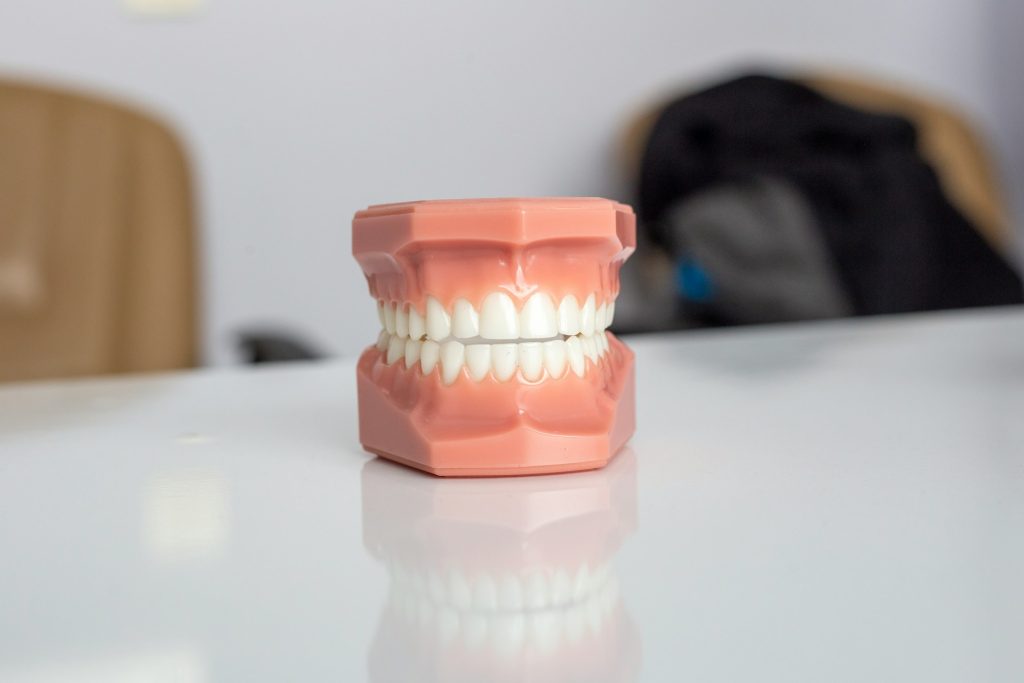
If you’ve been considering dental implants in Durham, the first step toward a confident, healthy smile is your initial consultation. Many people feel a mix of curiosity and nervousness before this appointment, and that’s completely normal. Whether you’re missing one tooth or several, a dental implant consultation is a relaxed, informative opportunity to explore your options, ask questions, and get personalized advice from a dental professional.
At practices like Westmount Dental Surgery, which serves patients across the North East, including Durham, Sunderland, Middlesbrough, and Gateshead, this first meeting is designed to be comfortable, thorough, and pressure-free. The goal isn’t to rush you into treatment but to help you understand what’s possible, what’s recommended, and how dental implants can improve your daily life.
In this article, we’ll walk you through what typically happens during a dental implant consultation in Durham. We’ll cover the questions you can expect, the exams involved, how treatment plans are created, and even how other cosmetic services, like Composite Bonding Durham, might complement or influence your overall dental goals. Whether you’re exploring implants for function, aesthetics, or both, this guide will help you feel prepared and informed.
Why Start With a Consultation?
Dental implants are a long-term solution for missing teeth, so it’s important to get things right from the start. Unlike temporary fixes like dentures or bridges, implants are designed to last for decades, sometimes even a lifetime, with proper care. Because of this, your dentist needs to assess your oral health, bone structure, medical history, and personal goals before moving forward.
The consultation is your chance to:
- Discuss your concerns and expectations
- Learn about the implant process in simple, clear terms
- Understand costs, timelines, and aftercare
- Explore alternatives (including cosmetic options like Composite Bonding Durham)
- Build trust with your dental team
No two patients are the same, and a good practice will tailor the conversation to your unique situation, not follow a rigid script.
Step 1: The Warm Welcome and Initial Chat
When you arrive at the clinic, whether it’s the Westmount Dental Surgery location in Sunderland or another branch serving Durham patients, you’ll likely be greeted by friendly staff who help you feel at ease. Many patients comment on how welcoming and calm the atmosphere is, thanks to thoughtful touches like comfortable seating, entertainment options, and even a children’s play area for families.
During this first part of the visit, you’ll have a relaxed conversation with your dentist or treatment coordinator. They’ll ask open-ended questions like:
- “What made you consider dental implants?”
- “How is your current smile affecting your confidence or daily life?”
- “Are you having trouble eating, speaking, or smiling because of missing teeth?”
- “Have you had any previous dental work or surgeries?”
This isn’t just small talk, it’s essential for understanding your motivations and expectations. Some patients want to restore function so they can enjoy their favorite foods again. Others are focused on aesthetics and want a natural-looking smile. Both are valid, and your dentist will keep these goals in mind throughout the process.
This is also a good time to mention any dental anxieties. Many clinics, including Westmount, offer sedation options for nervous patients, so you can stay calm and comfortable during exams or future procedures.
Step 2: A Thorough Oral Examination
Next comes the clinical part of the consultation. Your dentist will perform a comprehensive examination of your mouth, including:
- Teeth and gums: They’ll check for signs of decay, gum disease, or infection. Healthy gums and surrounding teeth are crucial for implant success.
- Jawbone health: Since implants are anchored into the jawbone, your dentist needs to assess bone density and volume. If there’s been significant bone loss (often due to long-term tooth loss or gum disease), you may need a bone graft before implant placement.
- Bite and alignment: How your teeth come together can affect implant placement and long-term function.
- Existing dental work: Crowns, bridges, or partial dentures may influence your treatment plan.
In many modern practices, this exam is enhanced with digital tools. For example, Westmount Dental Surgery uses digital X-rays and 3D Cone Beam CT scans to get a detailed, three-dimensional view of your jawbone and surrounding structures. These images help the dentist plan implant placement with precision, minimizing risks and improving outcomes.
The best part? Digital imaging uses up to 75% less radiation than traditional X-rays, making it safer and more comfortable for patients.
Step 3: Discussing Your Treatment Options
After the exam, your dentist will explain what they found and outline your options. This is where the conversation becomes truly personalized.
For example, if you’re missing a single tooth, a standard dental implant (titanium post + abutment + crown) may be recommended. If you’re missing several teeth, options like implant-supported bridges or “All-on-4” full-arch solutions might be discussed.
But here’s something many patients don’t realize: not every gap needs an implant. Sometimes, cosmetic treatments like Composite Bonding Durham can address minor imperfections, such as small gaps, chips, or discoloration, without surgery. While bonding isn’t a replacement for missing teeth, it can be a great complementary treatment to enhance your overall smile after implants are placed.
Your dentist might say something like:
“Your front tooth is chipped, but it’s still healthy. We could restore it with Composite Bonding Durham instead of a crown, saving you time and cost.”
Or:
“Once your implant crown is placed, we can use bonding to adjust the shape of adjacent teeth for a more balanced look.”
This holistic approach, considering both restorative and cosmetic solutions, helps you achieve the best possible result.
Step 4: Exploring the Role of Composite Bonding Durham
While the main focus of your visit is dental implants, it’s worth understanding how services like Composite Bonding Durham fit into the bigger picture.
Composite bonding uses a tooth-colored resin material to reshape, repair, or enhance teeth in a single visit. It’s minimally invasive, affordable, and ideal for small cosmetic fixes. During your implant consultation, your dentist might suggest bonding for:
- Closing minor gaps next to an implant site
- Repairing a chipped tooth that doesn’t need a crown
- Improving symmetry in your smile
- Masking discoloration that doesn’t respond to whitening
Because bonding is reversible and doesn’t require enamel removal (unlike veneers), it’s a low-risk way to “test” aesthetic changes before committing to more permanent work.
And yes, Composite Bonding Durham is available at practices like Westmount Dental Surgery, where the team uses high-quality, shade-matched resin to ensure natural-looking results. If you’re already planning implants, asking about bonding during your consultation can help you create a complete smile makeover plan.
In fact, many patients are surprised to learn they can combine treatments. For instance, you might get an implant to replace a missing molar and use Composite Bonding Durham to fix a small chip on a front tooth, all in one coordinated treatment plan.
Step 5: Understanding the Implant Process Timeline
One of the most common questions during a consultation is: “How long will this take?”
The truth is, dental implants aren’t instant. The process typically takes 3 to 6 months, and sometimes longer, depending on your needs. Here’s a general timeline:
- Tooth extraction (if needed): If a damaged tooth is still in place, it must be removed first.
- Healing period: After extraction, the site may need 2–3 months to heal.
- Implant placement: The titanium post is surgically inserted into the jawbone.
- Osseointegration: This is the critical phase where the bone fuses with the implant, usually 3–6 months.
- Abutment placement: Once healed, a connector (abutment) is attached.
- Crown placement: A custom-made crown is fitted, completing the restoration.
Some clinics offer “same-day implants” or temporary teeth, but these aren’t suitable for everyone. Your dentist will be honest about what’s realistic for your case.
During the consultation, you’ll get a clear timeline based on your individual situation. You’ll also learn about aftercare, like avoiding straws, smoking, and hard foods in the first few days, and how to manage discomfort with over-the-counter pain relief.
Step 6: Cost, Insurance, and Payment Options
Let’s be honest, cost is a big factor for most people. Dental implants are an investment, and prices in the Durham area can vary based on the number of implants, materials used, and whether bone grafts or other procedures are needed.
At Westmount Dental Surgery and similar practices, the team is upfront about costs. They’ll provide a detailed treatment plan with itemized pricing so there are no surprises. Many offer:
- Free or low-cost initial consultations
- Insurance billing (they work with major providers like Aetna, Humana, and Medicaid)
- Flexible payment plans or financing options
- Transparent breakdowns of what’s covered vs. out-of-pocket
It’s important to ask:
- “Is the crown included in the implant cost?”
- “Do I need a separate fee for the abutment or X-rays?”
- “Can you bill my insurance directly?”
And remember, while implants may seem expensive upfront, they often save money long-term by avoiding repeated repairs or replacements (unlike dentures or bridges).
Also, if you’re considering additional cosmetic work like Composite Bonding Durham, ask how it fits into your budget. Bonding is generally much more affordable than crowns or veneers, making it a smart choice for minor enhancements.
Step 7: Addressing Eligibility and Health Factors
Not everyone is a candidate for dental implants, and that’s okay. Your dentist will evaluate several factors during the consultation:
- Bone density: Low bone volume may require a graft.
- Gum health: Active gum disease must be treated first.
- Medical conditions: Diabetes, osteoporosis, or immune disorders can affect healing.
- Lifestyle habits: Smoking significantly increases the risk of implant failure.
- Medications: Some drugs (like bisphosphonates) can interfere with bone healing.
If implants aren’t right for you now, your dentist will discuss alternatives, such as bridges, partial dentures, or even Composite Bonding Durham for cosmetic improvements.
The key is honesty and transparency. A good dental team won’t push you toward a treatment that isn’t safe or suitable.
Step 8: Building a Personalized Treatment Plan
By the end of the consultation, you’ll walk away with a clear, customized plan. This might include:
- Recommended procedures (implants, extractions, bone grafts, etc.)
- Estimated timeline
- Cost breakdown
- Aftercare instructions
- Follow-up appointments
You’ll also have time to ask any remaining questions. Common ones include:
- “Will it hurt?” (Most patients report minimal discomfort.)
- “How do I care for implants?” (Brush, floss, and regular check-ups, just like natural teeth.)
- “Can I eat normally afterward?” (Yes, once fully healed.)
- “Will it look natural?” (Modern crowns are virtually indistinguishable from real teeth.)
And if you’re curious about enhancing your smile further, don’t hesitate to ask:
“Could Composite Bonding Durham help improve the shape or color of my other teeth?”
The answer might open up new possibilities for a more confident, balanced smile.
Why Choose a Practice That Offers Both Implants and Cosmetic Services?
One advantage of visiting a full-service clinic like Westmount Dental Surgery is access to a wide range of treatments under one roof. Whether you need a dental implant, a routine cleaning, or Composite Bonding Durham, you can build a long-term relationship with a team that knows your dental history and goals.
Plus, having multiple services available means better coordination. For example:
- Your implant crown can be color-matched to bonded teeth for a seamless look.
- Gum contouring can be done alongside bonding for a more symmetrical gum line.
- Teeth whitening can be scheduled before bonding to ensure the resin matches your brightest shade.
This integrated approach leads to more natural, harmonious results.
Final Thoughts: Take Your Time and Ask Questions
A dental implant consultation in Durham shouldn’t feel rushed or sales-driven. It’s a collaborative conversation, one where your comfort, concerns, and goals come first.
Whether you decide to move forward with implants, explore Composite Bonding Durham, or simply gather information, this first visit is a valuable step toward better oral health and confidence.
And remember: you’re not alone. Thousands of patients in Durham and across the North East have walked through that same door feeling unsure, and walked out with a clear plan and renewed hope.
So if you’ve been putting off that consultation, now’s the time. Your future smile is worth it.