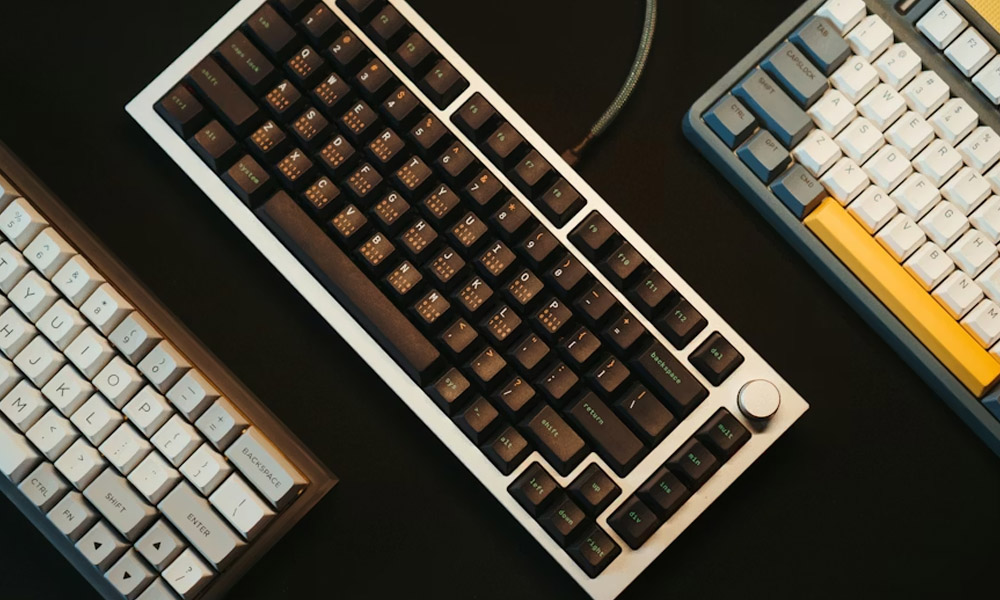
Have you ever seen the word Kibard online and wondered what it means? If yes, you’re not alone. Many people come across this strange word and feel curious right away. At first, it looks like a spelling mistake. But then you notice it appears again and again. This makes people ask, “Is Kibard a real word, or is it something new in the tech world?”
In this article, we explore everything about this interesting word. We look at how Kibard became a common typing mistake, and how it slowly turned into a cool idea in design and tech. You will learn where the word came from, what people mean when they use it, and why it is getting more attention today.
By the end of this article, you will understand how one small misspelling became a fresh trend that many people now enjoy and use in modern digital life.
The Funny Mistake: How Kibard Became a Common Typo
The story of Kibard starts with a very simple mistake. Many people type fast on their phones or laptops. When they rush, they sometimes hit the wrong keys. This is how the word Kibard was born. It is just a funny misspelling of the word “keyboard.”
Think about it. When you say “keyboard” quickly, it can sound like “kibard.” And when you use voice‑to‑text features, your device sometimes hears the wrong sound. So instead of typing “keyboard,” it writes “Kibard.” This small slip became very common, and soon many people were writing it without even noticing.
Over time, search engines started to show the word more often. People typed it in comments, messages, and even in blogs. Because it looked interesting and different, some users began asking what it meant. This simple typo slowly turned into something much bigger.
Keyboard vs Kibard: What’s the Real Difference?
There is actually no big difference between the two words. Keyboard is the real word. Kibard is just the misspelled version. But because so many people typed Kibard by mistake, the word took on a new identity.
Some people think Kibard sounds like a new tech tool or a brand name. Others see it and wonder if it is a special type of keyboard. But the truth is simple. Kibard is just the result of fast typing, auto‑correct mistakes, or voice‑to‑text errors.
Still, this spelling mistake became so common that even search engines recognize it now. Some websites even use it on purpose because it brings extra visitors. So while the meaning is the same, the story behind the word Kibard makes it feel more fun and special.
What Is a Keyboard? A Quick and Easy Explanation
To understand why Kibard became so popular, we first need to talk about what a keyboard is. A keyboard is a simple tool that helps you type letters, numbers, and symbols on your computer or phone. It is one of the most important parts of digital life.
Every time you send a message, write an email, or search on Google, you use a keyboard. It is the bridge between your ideas and your device. Without a keyboard, it would be very hard to talk to your computer or share your thoughts online.
There are many types of keyboards too. Some are loud and clicky, like mechanical keyboards. Some are soft and quiet, like membrane keyboards. Some keyboards connect with wires, while others work with Bluetooth. And of course, on your phone or tablet, you get a virtual keyboard on the screen.
Even with all the new tech we see today, the keyboard still plays a huge role in work, school, gaming, and everyday communication.
From Typo to Trend: How Kibard Became Something More
Here’s where things get interesting. The word Kibard did not stay a simple mistake for long. People in the tech world started using it in a new way. Instead of treating it as a typo, they turned it into a creative idea.
Designers and creators began using the word Kibard to describe a new style of design that feels clean, simple, and calm. They liked how the word sounded. It felt fresh and modern. So slowly, Kibard became more than a misspelling. It became a new way to talk about design and digital tools.
This shift happened because people were searching for cleaner, more peaceful digital spaces. They were tired of cluttered screens and stressful layouts. Kibard became a way to describe tools and products that feel soft, calm, and easy to use.
It is surprising, but this little mistake ended up inspiring something meaningful in design culture.
Kibard Design: Simple, Calm, and Smart
The design idea behind Kibard is very easy to understand. It focuses on clean looks, soft colors, and simple shapes. The goal is to make things feel calm and easy for the user. When you use something inspired by Kibard, you should feel relaxed, not confused.
For example, imagine a phone app with no extra buttons or loud colors. The text is clear. The layout is simple. Everything feels smooth and organized. That is the Kibard style. It is not too plain, but it is not too busy either. It finds the perfect balance.
This design idea also cares about feelings. It wants people to enjoy using a product. It wants work to feel light. It wants your eyes to feel comfortable. That is why Kibard design uses rounded corners, soft edges, and friendly colors. It is made for real humans, not just machines.
Key Features of Kibard‑Inspired Products
Kibard design has some clear features that help it stand out. First, it uses soft and calm colors like white, grey, matte black, and light wood tones. These colors make the product look clean and peaceful.
Second, Kibard items often feel smooth. They have rounded corners, simple lines, and no unnecessary details. This makes them easy to understand at a glance. For example, a Kibard-style smart home device might look like a small, quiet block that blends into your room.
Third, Kibard products always focus on the user. They are not made to show off. They are made to help. Buttons are placed in easy spots. screens are clear. Everything works the way you expect. The design removes stress instead of adding it.
Real Uses of Kibard in Tech and Homes
You can see Kibard design in many places today. Smart home devices use it a lot because people want items that look simple and clean in their homes. A thermostat, a speaker, or a light panel with a soft, calm design fits perfectly into any room.
Software tools also use the Kibard idea. Many modern apps now prefer clean layouts and easy flows. They want users to feel comfortable, not lost. If you have ever used a task planner that feels peaceful and neat, it probably follows Kibard-style design.
Even furniture and workspaces follow this idea. Many desks, chairs, lamps, and shelves today use soft shapes and neutral tones. They help people focus and keep their mind clear. This shows how one small word began to shape both digital and physical spaces.
How Kibard Helps You Feel Better and Work Smarter
One of the best things about Kibard design is how it makes you feel. In today’s world, we are surrounded by screens, buttons, and alerts. It’s easy to feel tired just by looking at a messy app or a cluttered website. Kibard solves this by keeping things clean, soft, and peaceful.
When your tools look and feel calm, you feel calm too. You don’t waste time trying to find buttons. You don’t get distracted by flashy colors. Everything is simple, so your brain can relax. This helps you focus more, get things done faster, and enjoy the process.
Even in busy work environments, Kibard-inspired layouts make a big difference. Writers, designers, teachers, students — everyone can benefit from tools that feel smooth and easy. It’s not just about how things look — it’s about how they make you feel while you work.
Kibard vs Minimalism: What’s the Difference?
You might wonder, “Isn’t Kibard just minimalism with a new name?” It’s a good question. While both styles aim to keep things simple, Kibard adds something more — warmth and emotion.
Minimalism can sometimes feel too cold or empty. It removes clutter, but also removes comfort. Kibard fixes that. It keeps the simplicity but adds softness. It brings back the human touch. Instead of sharp edges, you get rounded corners. Instead of plain white, you get soft grays, light woods, and friendly shapes.
So yes, Kibard is minimalist — but in a kind, warm, and thoughtful way. It’s about how you feel when you use a product. That’s what makes it special.
The Rise of Kibard in Software and Platforms
Today, more software tools are starting to follow the Kibard way. You see it in apps for notes, to-do lists, project planning, and even online stores. These platforms keep the design clean, simple, and very user-friendly.
For example, imagine using a task app that doesn’t overload your screen. You only see what matters. No pop-ups. No extra tabs. Everything works how you expect. That’s Kibard. The goal is to help you feel focused, not confused.
Many of these apps also update based on what users say. That means they grow with their community. They’re not built just to impress — they’re built to help. That’s another thing that makes Kibard tools different and better for real life.
Why Kibard Matters in Today’s Digital World
In 2025, life moves fast. We use many apps, tools, and devices every day. But too much tech can feel noisy and stressful. That’s why Kibard is so important now.
It reminds us to slow down. It reminds designers to think about real people, not just screens. It helps brands create things that are not just beautiful — but also peaceful, helpful, and human.
Whether it’s your favorite app, a smart home gadget, or the layout of your workspace, Kibard makes sure it feels good to use. And that’s something we all need in a busy digital world.
Bottom-Line
At first, Kibard was just a small mistake. A silly misspelling of “keyboard.” But like many good things in life, it grew into something more. People saw something special in it. Designers gave it meaning. Users gave it purpose.
Now, Kibard is both a fun story and a real design idea. It shows how even mistakes can turn into something useful. It shows how good design can be simple, kind, and made for real people.
So next time you type “kibard” by accident, smile. You’re not just making a typo — you’re stepping into a world where tech feels just a little more human.
You may also read: Who Is Brandi Loge? The Woman Behind the Fame