Connect with us

Guide

Finding Hard to Reach Contacts When Everything Else Fails

Published

on

Have you ever needed to reach someone urgently, but every phone number you tried was outdated? Or maybe you had a name and a city, but no idea how to actually connect with that person? Whether you’re trying to reconnect with an old colleague, locate a property owner for business purposes, or find someone who owes you money, tracking down hard-to-find contacts can feel like searching for a needle in a haystack.

The truth is, people move, change jobs, and switch phone numbers all the time. The contact information you have today might be useless tomorrow. That’s why knowing the right strategies and tools to locate someone can save you hours of frustration and dead ends.

In this guide, we’ll walk through practical methods anyone can use to find those elusive contacts. From simple search techniques to more advanced approaches, you’ll learn what actually works when standard methods fail.

Start With What You Already Know

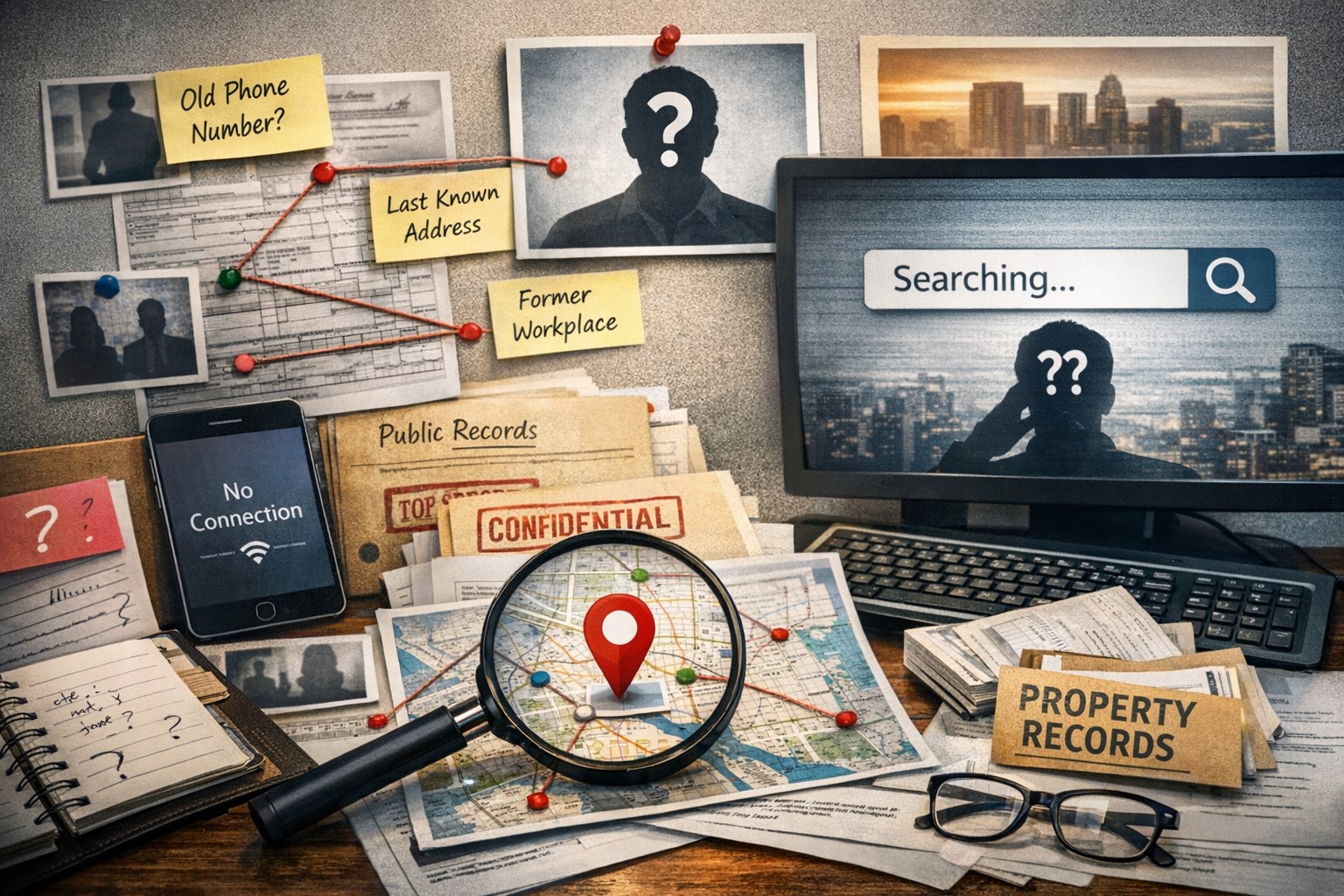
Before diving into complex tools, take stock of the information you already have. Even small details can become powerful clues. Do you have a full name? A previous address? An old phone number? A company they used to work for? Write down everything, no matter how insignificant it seems.

Sometimes the contact information you have isn’t completely wrong, it’s just outdated. That old phone number might belong to a family member now. That previous address could lead you to neighbors who know where the person moved. Every piece of data is a potential starting point.

Social connections matter too. Think about mutual friends, former coworkers, or family members you might be able to reach. People leave digital and personal trails everywhere they go. Your job is simply to follow those trails until they lead somewhere useful.

Use Public Records and Online Databases

Public records are one of the most reliable sources for finding contact information. Property records, voter registrations, court documents, and business filings are all publicly accessible in most areas. These records often contain current addresses, phone numbers, and other identifying details.

Many counties and states now offer online portals where you can search these records for free. Start with the county where you think the person lives or owns property. Real estate records are especially useful because they’re updated regularly and include owner names and mailing addresses.

For people in business, corporate registrations and professional licenses can be goldmines of information. If someone runs a company or holds a professional certification, those details are usually public. You can often find business addresses, phone numbers, and even personal contact information through these channels.

Smart Tools That Actually Help

When manual searching isn’t enough, specialized tools can speed up the process dramatically. A people finder service can help you locate contact details and addresses starting from just a name, old phone number, or partial information. These tools pull data from multiple sources at once, giving you results in minutes instead of hours.

Real estate investors often use these services to find property owners they want to make offers to. Debt collectors rely on them to locate people who have moved without leaving forwarding information. Sales teams use them to enrich their lead lists with direct contact details that aren’t available through normal channels.

The advantage of using a dedicated tool is that it searches across databases you might not have access to individually. Instead of checking ten different websites, you get consolidated results from one search. This saves time and often uncovers information you wouldn’t find on your own.

Verify Before You Reach Out

Finding a phone number or email address is only half the battle. You also need to make sure it’s actually current and belongs to the right person. Nothing wastes more time than calling wrong numbers or sending emails that bounce back.

Before making contact, take a moment to verify the information. For email addresses, free verification tools can check if an address is active before you send anything. This is especially important for sales teams who need to maintain good sender reputations and avoid bounce rates that hurt deliverability.

For phone numbers, a quick reverse lookup can confirm you have the right person. You can also check social media profiles to see if the contact information matches what you found elsewhere. Cross-referencing multiple sources dramatically increases your confidence that you’re reaching out to the correct contact.

When Direct Methods Don’t Work

Sometimes even the best tools and techniques hit a wall. The person you’re looking for might have a common name, might be intentionally staying off the grid, or might have moved internationally. When direct methods fail, it’s time to get creative.

Professional networks like LinkedIn can be surprisingly helpful. Even if someone doesn’t list their phone number publicly, you can often see where they work, which gives you a company phone number to call. Alumni associations, professional organizations, and industry groups also maintain directories that members can access.

Don’t underestimate the power of simply asking around. Post in community groups, reach out to mutual connections, or contact organizations the person was affiliated with. People are often willing to pass along messages or provide updated contact information if you explain your legitimate reason for reaching out.

Stay Organized and Persistent

Finding hard-to-reach contacts is rarely a one-and-done task. It takes persistence, organization, and sometimes multiple attempts using different methods. Keep detailed notes about what you’ve tried, what worked, and what didn’t. This helps you avoid repeating dead-end searches and builds a system you can use again.

Set up a simple spreadsheet or document to track your progress. Include columns for the person’s name, all known contact information, sources you’ve checked, and results from each attempt. This organized approach turns a frustrating treasure hunt into a methodical process.

Remember that people’s information changes constantly. Just because a search came up empty last month doesn’t mean it will this month. New records get added, people update their profiles, and information that was private sometimes becomes public. Checking back periodically can produce results that weren’t available before.

Finding someone who seems impossible to reach doesn’t have to stay impossible. With the right combination of basic search skills, public records access, smart tools, and persistence, you can locate almost anyone. The key is knowing where to look, how to verify what you find, and when to try a different approach. Whether you need to find one person or hundreds, these strategies will help you connect with the contacts that matter most to your goals.


Continue Reading

Categories

Trending