Have you ever stepped onto a soft, cozy mat that just felt right? Now imagine that same mat being good for the planet, your home, and even your garden. Sounds interesting, right?
That’s where wollmatten come in. These natural wool mats are popping up everywhere—from farms and eco-homes to stylish living rooms. But what exactly are they? How are they made? And why are so many people talking about them?
In this article, we’ll explain everything you need to know about wollmatten. We’ll start with what they are and how they’re made, then explore the many ways they can be used in farming, building, and home design. Let’s dive in!
What Are Wollmatten?
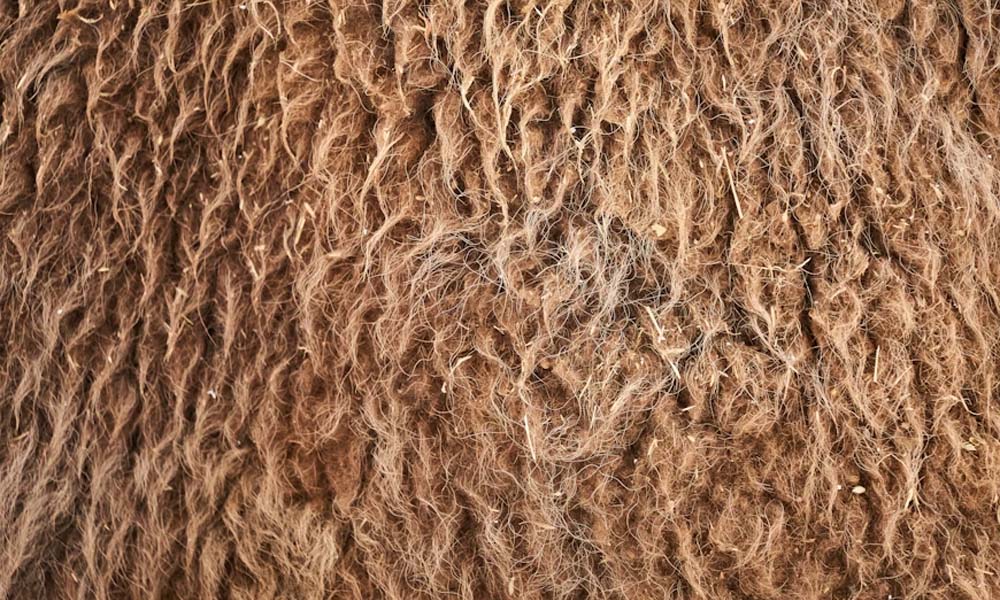
Wollmatten is a German word that simply means “wool mats.” They’re made from natural sheep’s wool that’s pressed and formed into a mat shape.
These mats can be thick or thin, depending on what they’re made for. Some are used in gardens to cover the soil. Others are used in homes as cozy rugs or wall art. Some are even used in buildings for insulation.
What makes them special is that they are natural, soft, and very useful. Unlike plastic-based products, they are kind to the planet and feel great to use.
How Are Wollmatten Made?
The journey of a wool mat starts with sheep shearing. This is when wool is gently removed from sheep, usually once a year. It doesn’t hurt the sheep—it actually keeps them healthy and cool.
But not all wool is soft enough to make clothes. Some wool is rough or full of dirt. This is often called waste wool. Instead of throwing it away, this wool is now being used to make wollmatten.
Here’s how it works:
-
First, the wool is cleaned to remove dirt and grease.
-
Then, it’s combed and straightened in a step called carding.
-
Finally, the fibers are pressed and felted together using heat and water.
This whole process is very eco-friendly. It doesn’t need harsh chemicals or plastic glue. Just natural wool and a little bit of care.
Wollmatten in Farming and Gardening
Wool mats are doing amazing things in farms and gardens. They’re not just for looks—they help plants grow better and save water too.
For example, wool can hold a lot of water. It can soak up 20 to 30 times its own weight! That means the soil stays moist for longer, and you don’t have to water as often. Some plants grown with wool mats stay fresh for 14 days without water, compared to only 5 or 6 days in normal soil.
Wool also breaks down slowly over time. As it does, it releases nutrients into the soil, especially nitrogen. In fact, wool contains way more nitrogen than compost or even chicken manure. This helps plants grow strong, without adding chemical fertilizers.
Plus, wool mats block weeds by covering the soil like a natural blanket. And some people say the tiny barbs on the wool keep slugs and snails away. It’s a full garden helper in one mat!
Why Wool Mats Are Great for the Environment
Using wollmatten isn’t just smart—it’s sustainable. That means it helps the earth instead of hurting it.
First of all, these mats are made from wool that would otherwise go to waste. So instead of throwing it out, we give it a new life. This supports farmers and reduces landfill waste.
Second, wool mats are fully biodegradable. That means when they break down, they don’t leave behind any plastic or chemicals. They turn back into natural material that feeds the soil.
Finally, wool mats are made without harmful processes or toxic glue. They don’t pollute the air or water. And when they’re used in homes or gardens, they help people live in a more natural, healthy way.
In short, wollmatten are kind to nature, from start to finish.
Wollmatten for Building and Insulation
Builders and architects are also discovering the power of wool mats. That’s because wool is a fantastic natural insulator.
Wool mats can be used inside walls, under floors, or in attics. They help keep homes warm in winter and cool in summer. That saves energy and makes living spaces more comfortable.
But that’s not all. Wool also absorbs sound, which means it can help reduce noise between rooms or apartments. It’s a smart choice for people living in busy cities or shared buildings.
Wool insulation comes in many forms—rolled mats, loose fibers, or cut panels—so it fits almost anywhere. And since it’s breathable, it helps keep the air in your home fresh and healthy.
Wollmatten in construction are growing in popularity, especially in Europe, where more buildings are required to use eco-friendly materials. And wool is leading the way.
Wollmatten in Home Design and Decor
Now let’s bring wool mats into your living room. Yes, really!
Wollmatten are becoming popular in interior design too. They’re being used as soft rugs, chair pads, wall art, and cozy floor cushions.
Why? Because they look and feel amazing. Wool adds warmth, texture, and a natural vibe to any space. Whether your home is modern or rustic, there’s a wool mat that will fit your style.
They’re also great for kids’ rooms, offices, and cozy corners. You can walk on them barefoot, sit on them, or even use them as play mats. It’s a simple way to bring comfort into your space—while still being kind to the planet.
Health Benefits of Using Wool Mats
Wool mats are not only soft and warm. They are also very good for your health. This is one reason many families are choosing wollmatten for their homes.
Wool is naturally hypoallergenic. This means it does not attract dust mites easily. It also resists mold and bad smells. If someone in your home has allergies or sensitive skin, wool mats can be a safer and calmer choice.
Wool also helps with body temperature. It keeps you warm when it’s cold and cool when it’s warm. That’s why wool mats feel comfortable all year. They also pull moisture away from the skin, so floors and seating areas stay dry and fresh.
Types of Wool Used in Wollmatten
Not all wollmatten are made from the same wool. Different types of wool give different feelings and strength. Knowing this helps you choose the right mat.
Merino wool is very soft and smooth. It feels gentle under bare feet. This type is great for bedrooms and living rooms where comfort matters most.
Shetland or coarse wool is stronger and lasts longer. It may feel rougher, but it is perfect for busy areas or outdoor use. Organic wool is also popular in 2026. It comes from sheep raised without chemicals. Some wollmatten also use alpaca wool for extra softness and a luxury feel.
How to Choose the Right Wollmatte for Your Space
Choosing the right wool mat does not have to be hard. You just need to think about where and how you will use it.
First, look at the space. Is it a small room or a large one? A big room may need a larger mat to feel balanced. A small room works better with a simple and clean design.
Next, think about use. Do you want a soft rug, a strong floor mat, or a garden mat? Thick wollmatten are great for comfort. Thin ones work better for soil or insulation. Also think about color and style. Natural shades give a calm feel, while bold colors stand out.
How to Take Care of Your Wool Mats
Wool mats are easy to care for if you treat them gently. With simple steps, your wollmatten can last for many years.
Vacuum your mat once a week using a soft brush setting. This removes dust without hurting the fibers. If something spills, blot it right away with a clean cloth. Do not rub. Just press gently.
Keep wool mats away from strong sunlight for long hours. This helps keep the color fresh. If you see small fuzz balls, trim them with scissors. Every year or two, a professional clean can help keep your wool mat looking new.
Where to Buy High-Quality Wollmatten
In 2026, finding wool mats is easier than ever. But quality still matters. Not all wollmatten are made the same way.
You can find good options in eco-friendly home stores and design shops. Many of these stores focus on natural materials only. Online platforms like artisan websites and handmade marketplaces also offer beautiful wool mats.
Always check what kind of wool is used. Look for words like “natural,” “organic,” or “chemical-free.” Reading reviews helps too. A good wool mat should feel solid, smell clean, and last a long time.
The Future of Wollmatten
The future of wollmatten looks very bright. As people care more about the planet, natural materials are becoming more important.
More homes, schools, and offices are choosing wool mats for comfort and health. Builders are using them in green buildings. Farmers are using them to save water and improve soil. New designs are also coming, mixing wool with plants like hemp or flax.
Wollmatten are no longer a small idea. They are becoming a smart and normal choice for everyday life. And this shift is only growing stronger.
Conclusion
Wollmatten are more than just mats. They are a simple idea with powerful benefits. They help the earth. They help your home. They even help your health.
From gardens to buildings to living rooms, wool mats prove that natural materials still matter. They turn waste wool into something useful and beautiful. That is something worth supporting.
If you want a home that feels warm, calm, and responsible, wollmatten are a great place to start. One small change can make a big difference—for you and for the planet.
(FAQs)
Are wollmatten really better than plastic mats?
Yes. Wollmatten are natural, biodegradable, and safe. Plastic mats never break down and harm the earth.
Can wollmatten really hold that much water?
Yes. Wool can hold 20–30 times its own weight in water, which helps plants survive longer without watering.
Do wollmatten actually work as fertilizer?
Yes. As wollmatten slowly break down, they release high nitrogen, which feeds plants naturally for months.
Will wollmatten attract bugs or pests?
Surprisingly, no. Wool fibers may repel slugs and snails, unlike many other garden covers.
Are wollmatten safe for babies and allergy sufferers?
Yes. They are hypoallergenic, resist dust mites, and do not release toxic smells or chemicals.
Can wollmatten really replace home insulation?
Yes. Wollmatten work as strong natural insulation and also reduce noise inside homes.
How long do wollmatten last before breaking down?
Depending on use, they can last months to years, slowly breaking down without leaving waste.
Are wollmatten made from waste wool?
Yes. Many wollmatten use low-grade wool that would otherwise be thrown away.
Are wollmatten expensive compared to other mats?
At first, yes. But long-term, they save money by lasting longer and doing more than plastic mats.
Are wollmatten becoming more popular in 2026?
Yes. Demand is rising fast due to eco rules, green buildings, and sustainable living trends.
You may also read: What Is Davisgonensfw? A Simple Guide Everyone Can Understand