
Business
Large-Scale Continuous Furnaces and Charcoal Production Plant: Industrial Charcoal Manufacturing Solutions
Published
3 days agoon
By
Admin
Charcoal is an essential product used in households, restaurants, industrial processes, and hookah lounges worldwide. Traditional methods of producing charcoal, such as small-scale kilns, are often slow, labor-intensive, and environmentally unfriendly. Modern solutions, such as large-scale continuous furnaces and charcoal production plants, provide efficient, high-quality, and environmentally sustainable ways to produce charcoal at industrial scale.
This article explores the features, advantages, and applications of these modern systems, showing why they are essential for manufacturers looking to optimize charcoal production.
Large-Scale Continuous Furnaces: High-Efficiency Carbonization
What Is a Continuous Carbonization Furnace?
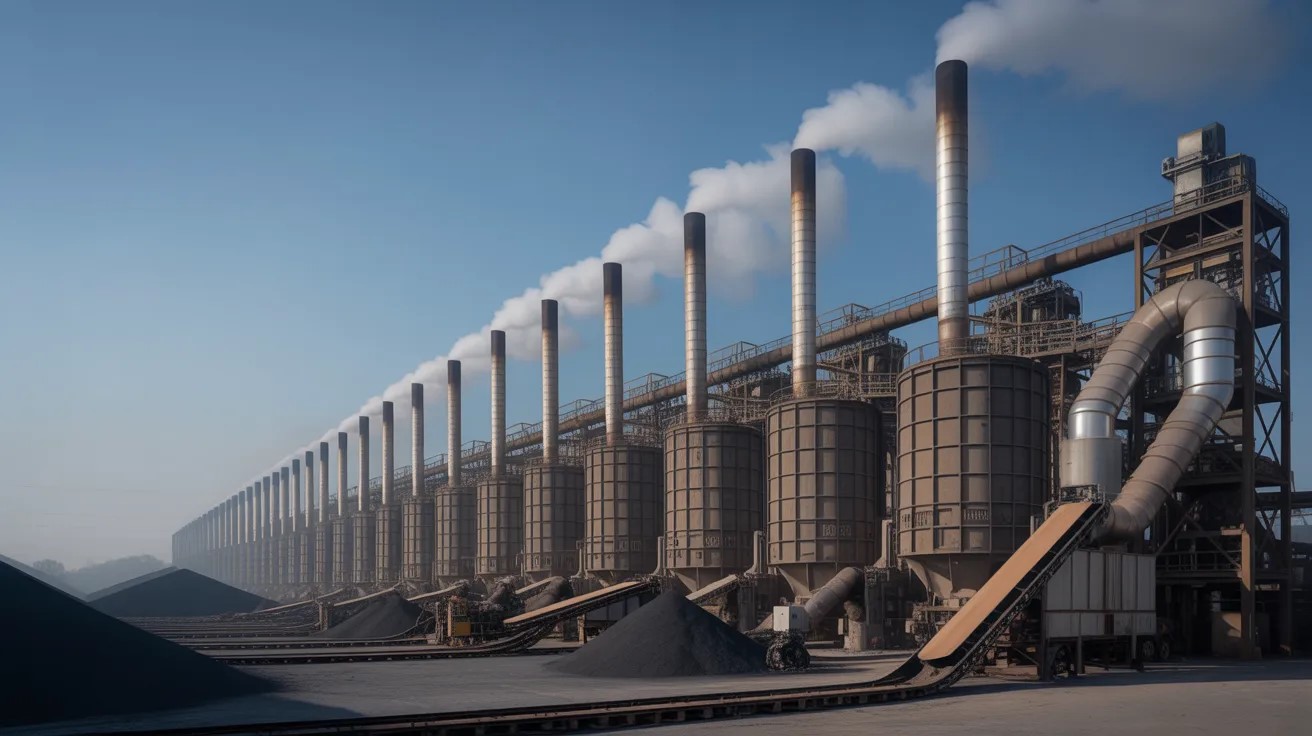
A continuous carbonization furnace is an industrial system designed to convert biomass materials, such as wood, coconut shells, or palm shells, into high-quality charcoal. Unlike traditional batch kilns, continuous furnaces operate non-stop, offering large-scale production while maintaining consistent quality.
Key Features and Advantages
- Continuous Operation
The furnace allows uninterrupted processing of raw materials, significantly increasing output compared to conventional methods. - High Carbonization Efficiency
Controlled heating ensures complete carbonization, producing dense charcoal with high calorific value and low moisture content. - Energy-Saving Design
Modern furnaces recycle heat and pyrolysis gases, reducing fuel consumption and operational costs. - Environmentally Friendly
Continuous furnaces minimize smoke and harmful emissions, helping manufacturers comply with environmental regulations. - Versatility
Capable of processing a wide range of biomass materials, including wood chips, coconut shells, and palm kernel shells.
Investing in a large-scale continuous furnaces enables manufacturers to produce premium charcoal efficiently and sustainably.
Charcoal Production Plant: Industrial-Scale Manufacturing
What Is a Charcoal Production Plant?
A charcoal production plant is a complete industrial system that integrates all stages of charcoal manufacturing, from raw material preparation to finished product packaging. It is ideal for businesses that aim to meet high market demand and produce large quantities of high-quality charcoal.
Components and Workflow
- Raw Material Preparation
Biomass such as wood, coconut shells, or palm shells is cleaned, dried, and sized for carbonization. - Carbonization
Raw materials are fed into a continuous carbonization furnace, producing high-density charcoal. - Cooling
Finished charcoal is cooled in a controlled environment to prevent ignition and preserve quality. - Screening and Packaging
Charcoal is screened for uniform size and quality, and packaged for sale or storage. - Automation
Many modern plants include automated feeding, carbonization, cooling, and packaging systems to reduce labor costs and improve efficiency.
Benefits of a Charcoal Production Plant
- High Production Capacity
Suitable for medium and large-scale operations, capable of producing tons of charcoal per day. - Consistent Product Quality
Ensures uniform density, size, and calorific value, making charcoal suitable for domestic, industrial, and shisha applications. - Cost-Effective Operation
Automation and energy-efficient design lower labor and fuel costs. - Environmental Compliance
Reduces smoke, dust, and harmful emissions, meeting modern environmental standards. - Market Versatility
Charcoal can be used for cooking, heating, industrial fuel, hookah, or exported to global markets.
A charcoal production plant provides manufacturers with the tools to scale operations while maintaining quality and profitability.
Advantages of Modern Charcoal Production Technology
1. Increased Production Efficiency
Continuous operation and automated workflows allow large quantities of charcoal to be produced quickly and consistently.
2. Consistent Product Quality
Controlled carbonization ensures uniform density, calorific value, and burn time, producing premium charcoal suitable for multiple applications.
3. Reduced Operational Costs
Energy-efficient designs, automation, and heat recovery minimize fuel and labor expenses.
4. Environmental Sustainability
Modern furnaces and production plants reduce smoke, emissions, and waste, supporting eco-friendly production practices.
5. Flexibility
Machines can process a variety of biomass materials, allowing manufacturers to adjust production according to raw material availability and market demand.
Applications of Charcoal Produced
- Domestic Use: Charcoal for cooking, grilling, and heating.
- Industrial Use: Fuel for metallurgical processes, energy generation, and chemical production.
- Shisha/Hookah Charcoal: Uniform briquettes with long burn times and low smoke.
- Biochar: Soil amendment to improve fertility, water retention, and crop yield.
- Export Markets: High-quality charcoal suitable for international buyers.
By producing high-quality, consistent charcoal, manufacturers can diversify markets and increase revenue streams.
Choosing the Right Charcoal Production Equipment
When selecting a large-scale continuous furnace or a charcoal production plant, consider:
- Production Capacity
Ensure the system meets current and projected demand. - Raw Material Supply
Confirm a steady supply of biomass such as wood, coconut shells, or palm kernel shells. - Automation Level
Higher automation reduces labor costs and ensures consistent product quality. - Product Quality Control
Equipment should allow control over charcoal density, size, and calorific value. - Supplier Support
Work with reputable suppliers who provide installation guidance, training, maintenance, and spare parts.
High-quality equipment ensures safe, efficient, and profitable charcoal production.
Conclusion
Investing in large-scale continuous furnaces and a charcoal production plant equips manufacturers with industrial-grade solutions for producing premium charcoal efficiently, sustainably, and at scale. Continuous furnaces enable high-efficiency carbonization, while full production plants integrate preparation, carbonization, cooling, and packaging for large-scale output.
By adopting these modern technologies, manufacturers can increase production efficiency, reduce operational costs, maintain consistent product quality, and meet growing domestic and international demand. Investing in these systems ensures long-term profitability, environmental sustainability, and a competitive edge in the global charcoal market.
Everything You Should Know About Opiniones-Plataforma-en-Espana.es
UK visa refusal: what it really means and how to respond the right way
How to Elevate Your Email Marketing Strategy
Best AliExpress Alternatives for Faster Shipping and Fewer Refunds
Carousel Manufacturer and Ferris Wheel for Sale: Top Amusement Park Rides
Large-Scale Continuous Furnaces and Charcoal Production Plant: Industrial Charcoal Manufacturing Solutions
How to Make Limestone Pellet and Extruder Machine for Sale in Pakistan: Advanced Fertilizer Production Solutions
Where Wild Dreams Walk Free: Deep Inside Tanzania Safari Life
Student Flats in Leicester: Studio or Shared – Which Is Better?
S.O.S. vs block bottom paper bags: design differences
Who Is Kate Garraway New Partner? The Truth Revealed
Brandi Raines Net Worth 2025: Age, Bio, Career, Husband and Children
Betsy Grunch Net Worth 2025: Salary, Career, Husband, and Life Story
Salma Shah Biography: Age, Career, Net Worth, Husband and Children
Nomia Iqbal Biography: Age, Husband, Career, Net Worth and BBC Journey
Kay Crewdson Biography: Age, Date Of Birth, Husband, Children, and Net Worth
Sophia Wenzler Biography: Age, Date of Birth, Husband, Career Story, and Net Worth
Ági Barsi’s Untold Story: Sister Of Judith Barsi And Her Battle With Cancer
Mike Danson Biography: Age, Net Worth, Wife, Children and Full Story
What Is eTarget Limited? The Truth Behind Those Mystery Parcels
Everything You Should Know About Opiniones-Plataforma-en-Espana.es
UK visa refusal: what it really means and how to respond the right way
How to Elevate Your Email Marketing Strategy
Best AliExpress Alternatives for Faster Shipping and Fewer Refunds
Carousel Manufacturer and Ferris Wheel for Sale: Top Amusement Park Rides
Large-Scale Continuous Furnaces and Charcoal Production Plant: Industrial Charcoal Manufacturing Solutions
How to Make Limestone Pellet and Extruder Machine for Sale in Pakistan: Advanced Fertilizer Production Solutions
Where Wild Dreams Walk Free: Deep Inside Tanzania Safari Life
Student Flats in Leicester: Studio or Shared – Which Is Better?
S.O.S. vs block bottom paper bags: design differences
Categories
Trending
-
News4 months agoWho Is Kate Garraway New Partner? The Truth Revealed
-
Net Worth10 months agoBrandi Raines Net Worth 2025: Age, Bio, Career, Husband and Children
-
Net Worth10 months agoBetsy Grunch Net Worth 2025: Salary, Career, Husband, and Life Story
-
Biography9 months agoSalma Shah Biography: Age, Career, Net Worth, Husband and Children