Connect with us

Blog

Fiber Cement Siding: A Practical Guide to Benefits, Costs, and Installation

Published

on

Fiber Cement Siding has quietly become one of the most practical exterior upgrades for homeowners who want a clean look without signing up for constant maintenance. If you are comparing siding options right now, you have probably noticed that people tend to talk about durability, curb appeal, and long-term value more than ever. That is because siding is not just decoration. It is part of your home’s protection system, and it has to handle sun, wind, rain, and everyday wear year after year.

So what exactly is Fiber Cement Siding, and why do so many homeowners keep choosing it? In simple terms, it is a siding material made to be strong, stable, and weather-resistant, while still looking like traditional wood or modern panels. It is often chosen by people who love the look of painted wood siding but do not want to deal with wood’s common problems, like rot, swelling, or frequent repairs. Because it holds its shape well and can be finished in many styles, it fits a wide range of home designs, from classic to modern.

One of the biggest reasons Fiber Cement Siding is popular is how it performs over time. Many exterior materials start to look tired quickly, especially in climates with strong sun or changing seasons. Fiber cement tends to resist warping and doesn’t attract the same kind of damage that softer materials can. Homeowners often like that it feels like a “set it and forget it” option compared to siding that needs frequent attention. It can also be a smart choice for people who plan to stay in their home long-term and want an exterior that stays neat without constant touch-ups.

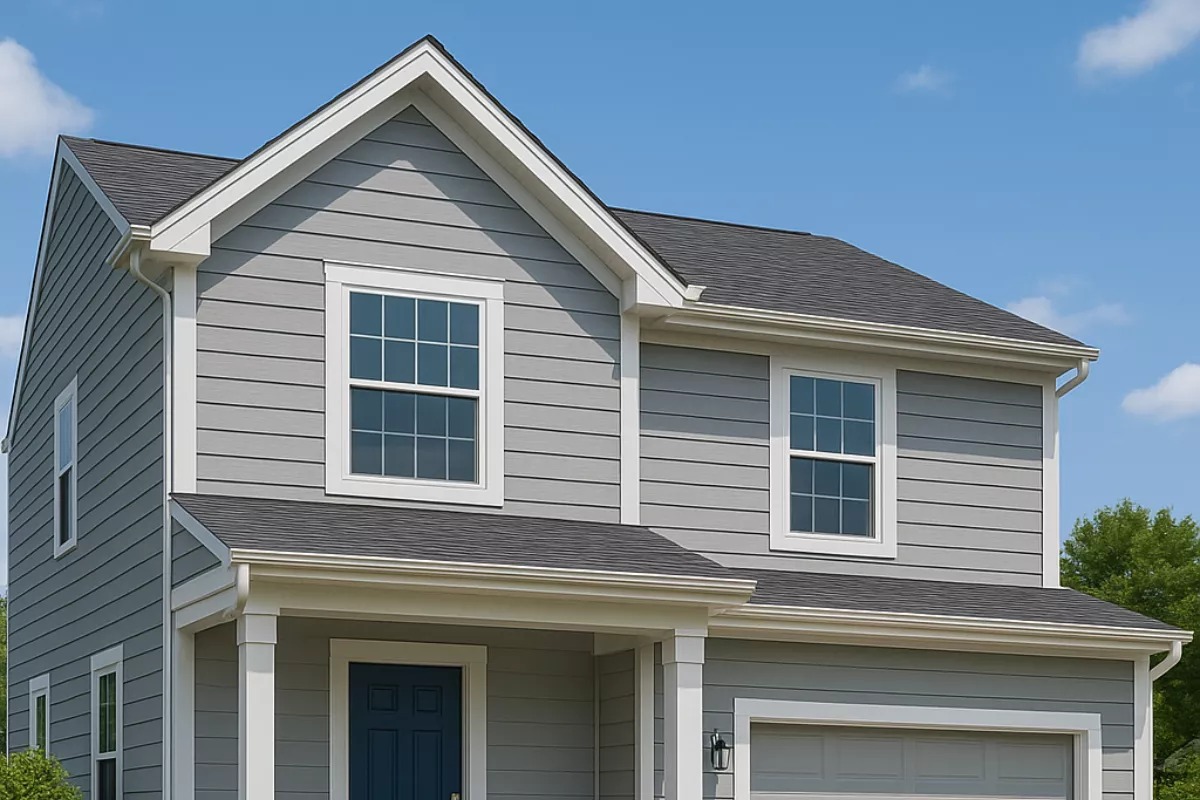
Style is another major advantage. Fiber Cement Siding is available in different profiles that can match the feel you want for your home. Some homeowners choose lap siding for a classic look, while others prefer board-and-batten for a more modern farmhouse style. There are also panel styles that work well for contemporary homes and clean exterior lines. Because it can be painted and repainted, it gives you flexibility if you want to refresh the look later without changing the siding itself.

That said, Fiber Cement Siding is not a magic solution, and it is important to understand what it needs to perform well. Installation quality matters a lot. Fiber cement is heavier than many other siding materials, and it requires proper handling, fastening, and cutting. It also needs correct moisture management details, especially around windows, doors, and rooflines. If those areas are not sealed and flashed properly, even great siding can run into problems. When homeowners have a bad experience with fiber cement, it is often not the material’s fault. It is usually poor installation or skipped steps behind the surface.

Cost is another area where people want clarity. Fiber Cement Siding is usually not the cheapest option upfront, but many homeowners see it as a value choice because of its durability and lower maintenance needs over time. The total cost depends on the size of the home, the complexity of the exterior, the finish choices, and whether any repairs are needed underneath the old siding. If you are comparing quotes, it is important to compare the scope, not just the number. Two quotes can look very different simply because one includes trim work, moisture barrier upgrades, or repairs and the other does not.

Maintenance is fairly simple, but it is not “zero maintenance.” Most homeowners find that occasional cleaning and inspections are enough to keep the exterior looking sharp. Painted fiber cement may need repainting eventually, especially after many years of sun exposure, but the maintenance rhythm is usually more manageable than wood. The key is to keep an eye on caulking and joints, and to address small issues early. Just like with roofing or gutters, small fixes are easier and cheaper than waiting until damage spreads.

If you are thinking about Fiber Cement Siding for your home, it also helps to know what questions to ask before you commit. A good contractor should be able to explain how they handle weather protection behind the siding and how they detail flashing around openings. They should also be clear about the timeline, the cleanup process, and what happens if they find rot or damaged sheathing under the existing exterior. You want answers in plain language, not vague promises. Clear planning is one of the strongest signs that a project will go smoothly.

It is also worth thinking about the bigger picture of your exterior. Siding looks best when the trim, corners, and transitions are done with the same attention as the main surfaces. Many homeowners focus on the siding boards and forget that the finishing details are what make the whole exterior look clean and high quality. If you are investing in Fiber Cement Siding, it makes sense to plan the look of the trim, the color palette, and the style of the home as one complete design, not separate pieces.

For a straightforward overview of Fiber Cement Siding, including what it is used for and what homeowners typically consider during planning, you can reference this page: https://www.gvdrenovationsinc.com/fiber-cement-siding/. Even if you are not using the same provider, seeing a clear explanation of the material and common siding scope can help you ask better questions and compare options more confidently.

In the end, Fiber Cement Siding is best for homeowners who want an exterior that looks polished, holds up well, and does not require constant upkeep. It offers a nice balance between style and performance, and it works across many home types. The most important thing is to treat it as a system, not just a surface. When you pair the right product with careful installation and good moisture protection, you get a home exterior that feels upgraded, secure, and easier to maintain for years.

If you are in the research stage, take your time and compare a few quotes, but do it with the right mindset. Focus on installation quality, weather detailing, and a scope that covers what really matters behind the walls. When those pieces are in place, Fiber Cement Siding can be one of the most dependable and satisfying exterior improvements you can make.

Continue Reading

Categories

Trending