Connect with us

Blog

A Hiker’s Guide to Dog Hiking Boots

Published

on

Dog Hiking Boots

The call of the wild is strong, not just for us, but for our four-legged companions. Watching a dog bound through a forest, navigate a tricky trail, or splash through a mountain stream is a joy. They seem perfectly equipped for the outdoors, with paws built for adventure. However, those paws are not invincible. Just as we wouldn’t hike a rugged trail in flip-flops, our dogs need the right outdoor dog gear to protect them from the elements.

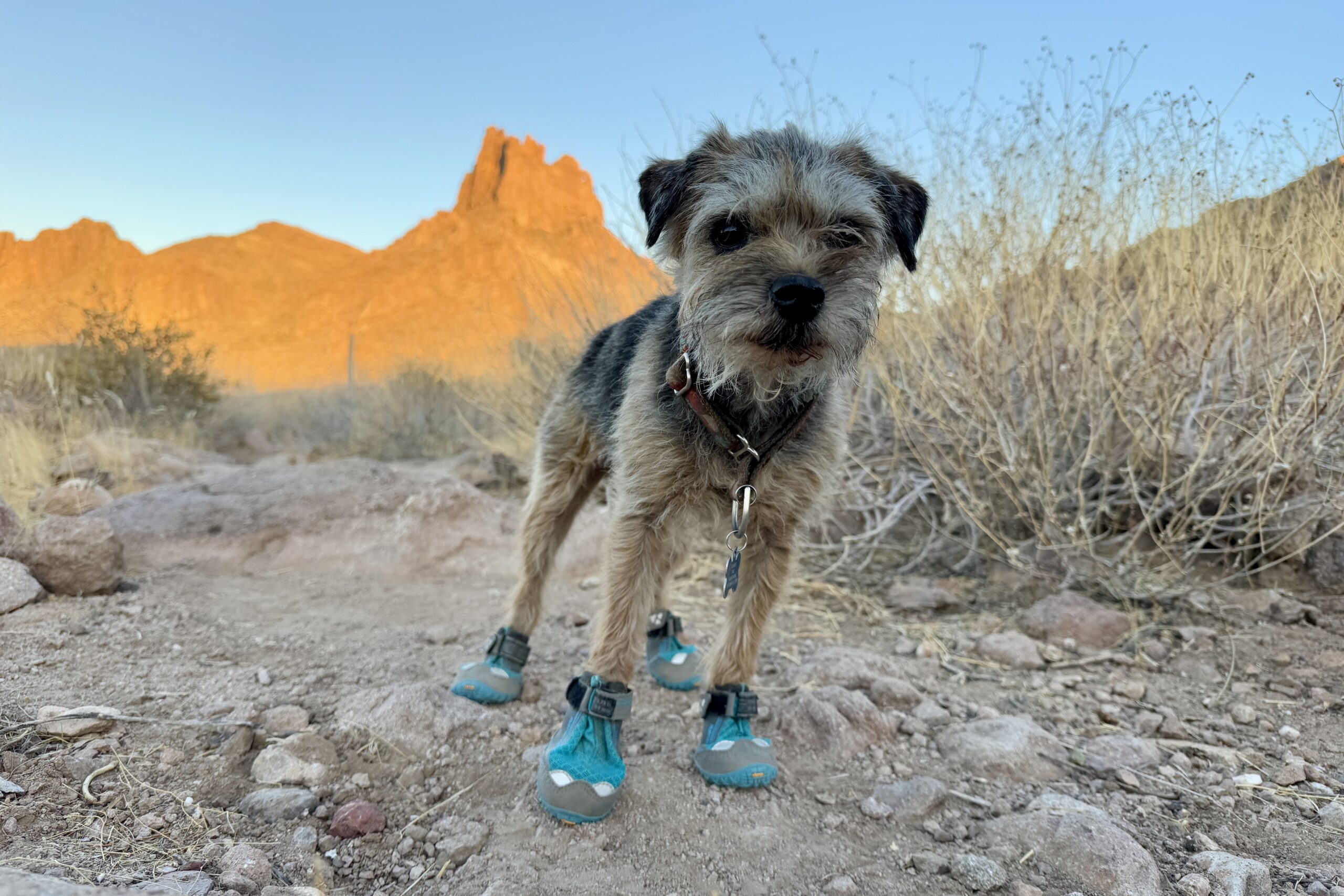
While tough, a dog’s paw pads are still soft tissue. They are vulnerable to cuts, abrasions, burns, and punctures. A single sharp rock or thorny branch can turn a beautiful day on the trail into an emergency trip to the vet. This is why a quality pair of dog hiking boots is one of the most important investments you can make for your adventurous pup. They provide the necessary protection and stability to tackle any terrain safely.

This guide will break down why hiking boots are essential for your dog and what key features to look for to ensure your companion is ready for any adventure.

Why Bare Paws Aren’t Enough for the Trail

Trail conditions are far more demanding than a walk around the block. The ground is unpredictable, filled with natural hazards that can cause significant pain and injury.

The Terrain is Treacherous

Hiking trails are a minefield of potential dangers for paws:

  • Sharp Rocks and Roots: Jagged granite, slate, and exposed tree roots can easily slice through a paw pad.
  • Slippery Surfaces: Wet rocks, mossy logs, and loose gravel (scree) can cause your dog to slip, leading to sprains, muscle tears, or joint injuries.
  • Thorns and Splinters: Underbrush is often filled with thorns, burrs, and sharp sticks that can become embedded between a dog’s toes, causing painful abscesses.
  • Extreme Temperatures: In the summer, rocks and dirt paths can absorb enough heat to cause burns. In the winter, snow and ice can lead to frostbite or painful ice balls forming between the pads.

A good pair of dog hiking boots acts as a shield, creating a durable barrier between these hazards and your dog’s sensitive feet.

Preventing Wear and Tear

Even on a well-maintained trail, the constant friction of walking on rough surfaces for miles can wear down paw pads, making them raw and tender. This is especially true for “city dogs” whose paws are accustomed to smooth pavement. A long hike can be a shock to their system. Boots absorb this impact and friction, preventing the gradual wear and tear that can lead to soreness and blisters.

Key Features to Look for in Dog Hiking Boots

Not all dog shoes are built for the trail. A lightweight mesh boot designed for hot pavement won’t stand up to the rigors of a mountain hike. When shopping for true dog hiking boots, focus on these three critical features.

1. Rugged, Anti-Slip Soles

The sole is the most important part of a hiking boot. It is the point of contact with the ground and provides both protection and traction.

Look for a sole made from a thick, durable material like PVC or high-grade rubber. The sole should have a deep, aggressive tread pattern, much like human hiking boots. This tread is designed to bite into loose dirt, grip onto wet rocks, and provide stability on uneven surfaces. A flat, smooth sole will offer little to no traction on a challenging trail. The sole must be thick enough to prevent sharp objects from puncturing through to the paw.

2. Durable and Waterproof Materials

Trail conditions can change in an instant. A sunny day can turn into a downpour, and you will inevitably encounter mud puddles, streams, or dewy morning grass. This is why waterproof dog shoes are a must-have for any serious hiker.

When paws get wet, the skin softens, making it much more susceptible to cuts and scrapes. Wet paws are also a breeding ground for bacteria and fungus. Boots with a waterproof or water-resistant upper keep the paws dry and comfortable. Look for materials that can withstand abrasion from rocks and branches without tearing.

Even if the boot isn’t fully waterproof, it should be made of a quick-drying material to prevent the dog from walking in soggy, heavy shoes for hours.

3. A Secure Fit That Stays On

The most common complaint from dog owners is that boots fall off. There is nothing more frustrating than having to backtrack on a trail to find a lost bootie. For hiking, a secure fit is non-negotiable.

The best dog hiking boots utilize a dual-strap system. A single strap creates a pivot point, allowing the boot to twist and slip off. Two adjustable straps—one around the narrowest part of the ankle and another higher up the leg—lock the boot in place. This ensures it stays on through running, jumping, and climbing.

Some advanced models even feature a dial-fit mechanism, which allows you to micro-adjust the tightness for a perfect, custom fit that won’t loosen over time. A boot that stays put is a boot that works.

Getting Your Dog Ready for Their Boots

If your dog has never worn footwear, they will likely need an adjustment period. Their first reaction is often a comical “high-stepping” walk as they get used to the new sensation.

To ensure a positive experience:

  1. Introduce them slowly at home. Start by putting on just one boot for a few minutes. Use plenty of treats and praise.
  2. Gradually increase the duration. Work your way up to all four boots, wearing them for short periods around the house.
  3. Make it fun. Put the boots on right before mealtime or a favorite game. This positive association helps them forget they are wearing them.
  4. Go for a short test walk. Before you hit a 10-mile trail, take a short walk around the neighborhood to ensure the fit is right and your dog is comfortable.

Conclusion

Hiking is one of the best ways to bond with your dog and explore the beauty of nature together. Don’t let a preventable paw injury cut your adventures short. By investing in a high-quality pair of dog hiking boots, you are providing your loyal companion with the protection and support they need to conquer any trail safely.

When choosing your gear, prioritize rugged soles for traction, waterproof dog shoes for all-weather readiness, and a secure fit that ensures the boots stay on. Proper outdoor dog gear allows you to focus on the journey and the beautiful scenery, confident that your best friend’s paws are safe, sound, and ready for whatever lies around the next bend.

Continue Reading

Categories

Trending