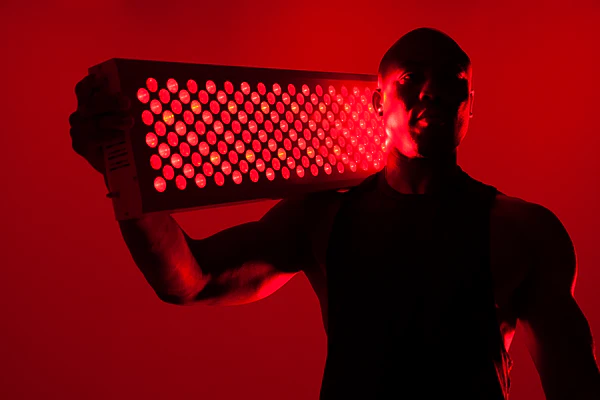
Choosing a panel is no longer just about raw power. If you want the most flexible results for skin, pain, recovery, mood and brain health, the mix and density of wavelengths matters just as much as irradiance.
Below I will walk through the leading multi wavelength brands, using data from an independent comparison of seventeen red light therapy companies that scored each brand on wavelength count, wavelength density and value.
If you want to see the full scoring table and methodology, you can check this very detailed independent comparison of the best red light therapy panels at Red Light Therapy Top Ten.
Why wavelength density matters
Most older panels used only two wavelengths, usually around six hundred sixty nanometres in the red range and eight hundred fifty nanometres in the near infrared range. That can work, but newer devices stack four, five, seven or even nine different peaks such as four hundred eighty, five hundred ninety, six hundred thirty, six hundred sixty, eight hundred ten, eight hundred thirty, eight hundred fifty and ten sixty nanometres.
That independent analysis looked at two things that are crucial if you care about wavelength quality rather than just marketing claims
- Number of distinct wavelengths in the therapeutic range
- How evenly those wavelengths are distributed across the LEDs rather than one token diode at an exotic wavelength and the rest at the usual two peaks
In that scoring, brands like RLT Home, Rojo, Rouge, Lightpath LED, Vital Red Light and Platinum LED sit near the top for wavelength variety, with RLT Home and Rojo also earning the maximum score for wavelength density.
Below you will find how the main multi wavelength brands compare in wavelength mix and typical pricing for larger panels that cover most of the body.
RLT Home Total Spectrum series
RLT Home sits in the top position of the comparison table with the highest overall score and maximum marks for both wavelength count and wavelength density.
Wavelengths
The Total Spectrum two point zero panels use seven research backed peaks
- Four hundred eighty nanometres blue
- Six hundred thirty and six hundred sixty nanometres red
- Eight hundred ten, eight hundred thirty, eight hundred fifty and ten sixty four nanometres near infrared
Instead of hiding the mix, the design uses a balanced spread of these wavelengths across the diodes, which is why the brand ranks so well on wavelength density.
Price position
The range starts around the mid four hundreds of dollars for smaller panels and climbs into the mid and upper four figure range for tall full body systems with electric stands, while still undercutting many big name competitors that use fewer wavelengths.
If you want dense coverage of almost every important therapeutic wavelength in one device, this is one of the most complete options.
Vital Red Light Vital Elite two point zero
Vital Elite two point zero is one of the only panels on the market with nine separate wavelengths in one tower.
Wavelengths
- Four hundred eighty nanometres blue
- Five hundred ninety nanometres amber or yellow
- Six hundred thirty, six hundred sixty and six hundred seventy nanometres red
- Eight hundred ten, eight hundred thirty and eight hundred fifty nanometres near infrared
- Ten sixty nanometres deep near infrared
This gives a very broad spectrum for skin, acne, body contour support, pain, recovery and deeper brain or fat targets.
Wavelength density and price
In the comparison table Vital scores very highly for wavelength count but more modestly for wavelength density, mainly because the company does not publish exact ratios even though you can select presets on the touch screen.
Large Vital Elite two point zero towers tend to be priced in the mid one thousand dollar range, putting them firmly in the premium but not ultra luxury bracket.
Platinum LED BioMax series
Platinum LED was one of the earliest brands to push multi wavelength panels and still offers a strong spectrum.
Wavelengths
The BioMax nine hundred uses seven peaks, including a blue component and extended near infrared
- Four hundred eighty, six hundred thirty, six hundred sixty, eight hundred ten, eight hundred thirty, eight hundred fifty and ten sixty nanometres
The brand earns a high score for wavelength count but a more average score for density because it does not share exact LED ratios.
Price position
BioMax panels start in the mid four hundreds of dollars for smaller units and the nine hundred size often runs around the low one thousand dollar mark before any discounts, which makes them firmly mid to upper tier for multi wavelength panels.
Rouge G four series
Rouge was historically known for simple red and near infrared setups, but its G four series now uses a richer spectrum and scores very well for both wavelength count and wavelength density in the independent ranking.
The larger G four towers support multiple red and near infrared peaks plus optional blue configurations, with a strong focus on overall power and body coverage rather than exotic extra colours. The Rouge Pro G four is typically a little above one thousand dollars, while the Ultimate G four can run into the multi thousand dollar range.
Rouge is attractive if you want a large, very powerful panel with many wavelengths and you are willing to pay for a premium build.
Rojo Refine series
Rojo Light Therapy is a newer player but ranks second overall in the comparison table and scores a perfect ten out of ten for wavelength density.
Wavelengths and control
The flagship Refine three thousand six hundred tower uses five peaks
- Six hundred thirty and six hundred sixty nanometres red
- Eight hundred ten, eight hundred thirty and eight hundred fifty nanometres near infrared
What sets Rojo apart is that you can independently control the percentage of each wavelength through the touch screen or app, which is why density gets the top score.
Pricing for large Refine towers is in the multi thousand dollar range, comparable to other high end modular systems but offering more granular wavelength control than most.
Lightpath LED
Lightpath LED focuses on pulsing and multi spectrum flexibility. In the independent comparison the brand scores well for wavelength count and moderately for density, largely because ratios are configurable but not always published in detail.
The Diesel XL range uses configurations that mix red, near infrared and optional blue, with presets that change the relative percentages of each group.
Diesel XL panels commonly sell around the low to mid one thousand dollar range depending on size and configuration, positioning Lightpath LED in the same serious user bracket as Vital and Rouge.
BlockBlueLight PowerPanel Ultimate
BlockBlueLight scores well on wavelength count, with five peaks across red and near infrared
- Six hundred thirty, six hundred sixty, eight hundred ten, eight hundred thirty and eight hundred fifty nanometres
Its wavelength density score is lower because the company does not share exact LED ratios. Irradiance is very high and EMF is extremely low, so this brand is strong for raw output and safety.
The Ultimate XXL panel is a large commercial style tower that sits in the high multi thousand dollar range, well into the premium price tier.
Infraredi Flex and full body panels
Infraredi panels use five wavelengths
- Six hundred thirty and six hundred sixty nanometres red
- Eight hundred ten, eight hundred thirty and eight hundred fifty nanometres near infrared
The brand scores well for wavelength count but more modestly for density in the comparison, again due to limited disclosure on exact percentages.
Infraredi Flex Max and other large units are usually priced roughly in the mid four figure range in local currency, with smaller Flex options in the hundreds, so they sit between value and full premium depending on size.
Scienlodic BioEpic Body panel
Scienlodic is another five wavelength option
- Typically six hundred thirty, six hundred sixty, eight hundred ten, eight hundred thirty and eight hundred fifty nanometres
It scores nicely for wavelength count but more modestly for density because the LED ratios are not published in detail.
The BioEpic panel delivers high irradiance in the one hundred to two hundred milliwatt per square centimetre range at six inches, while staying in a mid to upper mid price bracket that often undercuts the largest towers from Rouge or BlockBlueLight.
Red Light Rising Advantage series
Red Light Rising panels use a familiar five wavelength mix across red and near infrared and achieve strong scores in the comparison, especially for density and irradiance.
The Advantage nine hundred panel, often priced around the low one thousand pound range, is built as a serious full body device with multiple wavelengths, low EMF and solid build quality that appeals to both home and clinic users.
Mito Red Light MitoPRO plus series
MitoPRO plus panels use four wavelengths
- Six hundred thirty and six hundred sixty nanometres red
- Eight hundred thirty and eight hundred fifty nanometres near infrared
The key here is density. The independent analysis notes that Mito splits LED counts evenly across the four wavelengths, giving it a strong wavelength density score even with fewer peaks than some seven or nine wavelength competitors.
Pricing is relatively friendly for the performance level. Small panels start in the mid three hundreds of dollars, while a tall MitoPRO fifteen hundred plus usually sits around the low one thousand dollar range, often lower during sale events.
Hooga Ultra series
Hooga Ultra panels are among the better value four wavelength options
- Six hundred thirty and six hundred sixty nanometres red
- Eight hundred ten and eight hundred fifty nanometres near infrared
In the comparison, Hooga scores modestly for wavelength count and well for density, with a strong overall value score thanks to reasonable pricing and high irradiance.
Larger Ultra panels generally land in the mid hundreds to very low thousands of dollars, making them attractive for buyers who want multi wavelength coverage without climbing into the very high price tiers.
Sunlighten red panel
Sunlighten is better known for infrared saunas, but its red light panel adds multi wavelength capability inside that ecosystem. It combines red and near infrared peaks with app based presets and guided routines, though with fewer distinct wavelengths than the top multi spectrum specialists.
The device scores moderately for wavelength metrics but higher for app experience and ease of use. Pricing is premium, especially when purchased alongside a sauna package, so Sunlighten tends to appeal to customers already invested in the brand rather than shoppers looking for the best value per wavelength alone.
Boncharge red light panels
Boncharge offers a range of panels that primarily use classic six hundred sixty and eight hundred fifty nanometre wavelengths.
Because the spectrum is relatively narrow, the brand scores modestly for wavelength count and density in the independent comparison, although irradiance and EMF scores are solid.
Prices for the larger Super Max and Max units commonly run from several hundred to about the mid one thousand dollar range, depending on region and sale periods.
Joovv, Red Therapy Co and Bestqool
These three brands still focus mainly on two wavelength designs but they remain relevant because of their scale, marketing reach and overall build quality.
- Joovv three point zero panels
Use mostly six hundred sixty and eight hundred fifty nanometre LEDs with a balanced fifty or fifty distribution and modular frames. The comparison scores Joovv modestly for wavelength count and well for density, with starting prices above one thousand dollars for larger configurations.
- Red Therapy Co RedRush panels
Use the same two peaks with a clear fifty or fifty LED split across red and near infrared. Pricing is mid to upper mid, typically in the mid hundreds for a tall unit, with very strong irradiance and low EMF but minimal wavelength variety.
- Bestqool Pro series
Also provides two wavelengths, six hundred sixty and eight hundred fifty nanometres, at a value price point starting in the low three hundreds for full body oriented panels, which is why it scores well on cost but lower on wavelength metrics.
These can still be effective if you mainly want simple skin and tissue support, but they do not offer the same multi target flexibility as seven to nine wavelength systems.
How to choose among multi wavelength panels
When you compare these brands, three practical questions usually decide
- How many different issues do you want to target with one device
If you want skin, mood, pain, gut and brain support from a single panel, richer spectra like RLT Home Total Spectrum, Vital Elite two point zero, Rouge G four, Platinum BioMax or Rojo Refine give you the broadest coverage.
- Do you care about published wavelength ratios
Brands that share or tightly control LED distribution such as RLT Home, Mito, Rojo and Lightpath LED make dosing more predictable. Others claim optimized blends without hard numbers, which may matter less to casual users but more to practitioners.
- Where you want to land on price versus spectrum
Value oriented multi wavelength examples include Hooga Ultra and some MitoPRO plus sizes, which give four strong wavelengths without reaching ultra premium prices. Top spectrum eight or nine wavelength towers like RLT Home, Vital Elite and the largest Rouge or BlockBlueLight units sit higher in cost but also provide the broadest coverage and often the most future proof setups.
If your priority is the very best combination of wavelength count, wavelength density, EMF, irradiance and user policies, the data from that independent comparison currently places RLT Home in first place with Rojo and Rouge very close behind, followed by Vital Red Light and Lightpath LED for users who want more exotic wavelengths or advanced pulsing options.