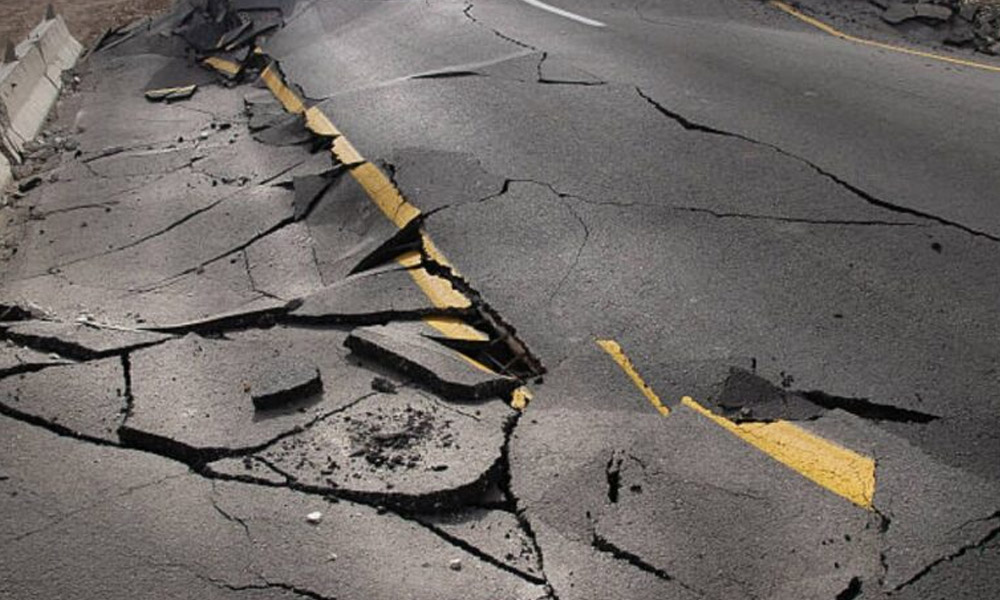
Imagine waking up and finding that your taps have no water. You can’t make tea, take a shower, or even flush the toilet. This is what happened to many people living in Glasgow’s East End when a major water main broke on Shettleston Road.
It didn’t just affect homes. Roads were flooded. Traffic was a mess. Businesses had to close. It was a big problem that caught the attention of everyone in the city. In this article, we’ll talk about what really happened during the Glasgow water main break Shettleston Road, how people were affected, and what can be done to stop something like this from happening again.
What Happened on Shettleston Road
On a busy weekday morning, a large water pipe suddenly burst under Shettleston Road in Glasgow. Water began pouring onto the street, quickly flooding the area. The break happened near St Mark Street, close to the Hart Street junction, right in the middle of the morning rush.
This wasn’t a small pipe. It was one of the main water lines that serves many homes and businesses. As the pipe broke, water pressure dropped, and sections of the road were shut down for safety. Crews from Scottish Water rushed to the scene to fix the problem, but the damage had already caused a lot of trouble for everyone nearby.
The Glasgow Water Main Break Explained
A water main is a big pipe that carries clean water to homes, schools, offices, and shops. When it breaks, the water inside spills out into the ground or onto roads. This is called a water main break, and it can be very serious—especially when it happens in a busy place like Shettleston Road.
In this case, the burst pipe caused both flooding and water supply problems. People in the G32 postcode area saw their water stop completely or come out dirty and brown. At the same time, drivers had to deal with long delays as parts of the road were closed for repairs. It was a double problem—no water and no easy way to travel.
Which Areas Were Most Affected
The Glasgow water main break Shettleston Road mostly hit people living in the G32 area, which includes Shettleston and nearby neighborhoods. Homes, small shops, schools, and offices were all affected. Some people had no water at all, while others had very low pressure or cloudy water.
The worst-hit streets were around Old Shettleston Road, Fernan Street, and Westmuir Street. Even places further away felt the impact, as traffic was redirected and water had to be rerouted from other areas. Local businesses, like cafés and salons, also suffered. Without water, many of them couldn’t open at all.
Water Problems in Homes
For many families, the most stressful part was having no water. In some houses, the taps were completely dry. In others, the water looked brown or cloudy. This happens because when a pipe breaks, it stirs up dirt and air in the system. Even when the water comes back, it can look strange for a while.
Without water, daily life becomes very hard. People couldn’t brush their teeth, wash dishes, or take showers. Parents had to figure out how to care for kids without clean water. Elderly residents were especially worried. Even making a simple cup of tea became a problem.
Scottish Water told people to run their cold kitchen tap slowly until the water cleared. They also said not to use washing machines or dishwashers until everything was back to normal. These tips helped, but for many, it was still a rough day.
Traffic Chaos on Shettleston Road
Shettleston Road is one of the main roads in Glasgow’s East End. Every day, buses, cars, delivery vans, and school runs pass through it. So when the water main broke, the traffic didn’t just slow down—it came to a stop.
The road was closed between Old Shettleston Road and Fernan Street. This meant drivers had to take long detours. Roads like Westmuir Street quickly filled with cars. People stuck in traffic said their usual 20-minute trips turned into hour-long journeys. Public buses were delayed or rerouted, and some people were late to work or school.
For businesses, fewer customers showed up. Some people even canceled appointments because they couldn’t get through the traffic. A burst pipe might seem small, but as this showed, it can create a big mess in a busy city.
Why Do Water Mains Break in Cities Like Glasgow
You might wonder: Why do these pipes break at all?
Most of the time, it’s because the pipes are very old. In cities like Glasgow, some water mains are over 50 years old, and they weren’t built for the pressure or demand we see today. Over time, they crack, rust, or simply wear out.
Other reasons include:
-
Cold weather: When it freezes, water expands and can burst pipes.
-
Heavy traffic: Big trucks driving over buried pipes can cause stress underground.
-
Ground movement: Nearby construction or natural shifts can weaken the soil and make pipes snap.
-
Water pressure changes: Sudden surges in water flow can stress weak areas in the pipe.
So the Glasgow water main break Shettleston Road wasn’t just a random accident. It was a sign of an old system that needs serious attention.
Scottish Water’s Quick Emergency Response
As soon as the break was reported, Scottish Water sent crews to the area. Their first goal was to isolate the broken section of the pipe. This means they shut off valves to stop more water from flooding the road. Then they started checking how to reroute water to keep some homes supplied while they worked.
Repairing a water main isn’t easy. The workers had to dig through the road to reach the pipe, remove the damaged part, and replace it with new material. At the same time, traffic management teams worked to block off the area and keep the public safe.
Scottish Water also gave helpful advice:
-
Let brown water run from the cold tap until it clears.
-
Don’t use hot water or appliances during the outage.
-
Cloudy water is just air and should go away in 1–2 days.
These steps made it easier for people to cope until the problem was fixed.
How Long Did Repairs Take
After the burst, Scottish Water crews worked for hours to fix the problem. First, they had to safely shut off the damaged pipe. Then they dug up the road to reach the broken section. This took time because they had to avoid damaging other underground lines.
Once the old pipe was removed, workers installed a new section. It wasn’t a quick fix. Some homes got water back within a few hours, but others had to wait much longer. People in the G32 area said they waited most of the day for clean water to return. Scottish Water gave updates online, but some people still felt worried and unsure.
The road repair came next. After fixing the pipe, they had to fill the hole and resurface the street. This meant traffic was blocked for a bit longer, even after the water came back. It took more than a day for things to feel normal again.
What Locals Said About the Glasgow Water Main Break
Many people went online to share their experience. Some said they understood these things happen, while others were upset. Parents with small children were especially frustrated. “It’s hard to explain to a child why there’s no water,” one mother posted.
Others shared how they helped each other. Neighbours offered bottled water. Some invited elderly residents over to use their bathrooms. Local Facebook groups became a place where people shared updates and support.
While some praised Scottish Water’s fast work, others asked why pipes like this haven’t been replaced sooner. People wanted to know how often things like this happen and what’s being done to stop it.
The Hidden Cost of a Burst Pipe
A water main break doesn’t just make a mess—it also brings hidden costs. Local cafés and takeaways had to shut their doors. Without running water, they couldn’t cook or clean. For small businesses, even one day closed can mean lost income.
Families spent money buying bottled water. Some ordered takeaway food since they couldn’t cook or clean dishes. Delivery drivers faced longer routes, and some appointments were missed because people couldn’t get through the traffic.
Stress also plays a part. Not knowing when water will come back or how long the road will be closed makes people feel anxious. The Glasgow water main break Shettleston Road showed just how much we all depend on things working quietly in the background.
Lessons from the Shettleston Road Water Main Break
Every time something like this happens, there are lessons to learn. The first big one is clear: old pipes need to be replaced before they break. Waiting until something goes wrong causes more damage, more stress, and higher costs.
Another lesson is about communication. Scottish Water shared helpful tips and updates, but some people still felt confused. Clear, quick messages through texts or local news could help more in future cases.
And finally, this event showed how important emergency plans are. Having teams ready to fix the problem, block traffic, and guide the public made a big difference. It’s all about being ready before a problem starts.
How Glasgow Can Stop This from Happening Again
Glasgow isn’t the only city with old water pipes, but it’s time to act. The Shettleston Road burst reminded everyone that infrastructure needs care. Pipes under busy roads should be checked and upgraded often.
New tools like smart sensors can watch water pressure and warn when a pipe might break. These tools send alerts before things go wrong. They are already being used in some places and could help in Glasgow too.
The city also needs more funding for repairs. Fixing old pipes is not cheap, but it saves money in the long run. Clean water and smooth roads are things people count on every day, and they should be protected.
Conclusion
The Glasgow water main break Shettleston Road caused a lot of problems—but it also taught us something important. It reminded people, businesses, and city leaders that water, roads, and pipes matter. When they work, we hardly notice. But when they stop, everything changes.
Thanks to the hard work of repair teams, things went back to normal. But we can’t wait for the next burst. With smart planning, strong investment, and better updates, Glasgow can stay ahead of problems like this.
In the end, it’s not just about fixing a pipe. It’s about making sure everyone has clean water, safe roads, and peace of mind. That’s something worth protecting—today and for the future.
You may also read: Bert Kreischer Jail Rumor