What happens when a senior spends their days watching television alone, with little social interaction or sense of purpose? The reality for many older adults is a life reduced to routine and basic support, even though research consistently shows that meaningful engagement can positively influence physical health, cognitive function, and emotional well-being. Life enrichment programs have become increasingly important in senior care communities, yet many families still underestimate their impact. Understanding why life enrichment matters can help reshape how we approach aging and support older adults.
Cognitive Function and Mental Stimulation
One of the strongest reasons to prioritize life enrichment in senior care is its connection to cognitive health. When older adults engage in mentally stimulating experiences such as puzzles, learning new skills, educational courses, or discussion groups, they exercise important cognitive abilities and encourage continued mental engagement.
Mental stimulation can help support cognitive wellness and may play a role in reducing the risk of cognitive decline. Programs that encourage learning and creativity, whether through games, reading, art projects, or educational workshops, help residents remain engaged and curious.
For example, a senior learning to paint or beginning music lessons experiences both the satisfaction of creative expression and the benefits of developing new skills. Communities that offer regular opportunities for mental engagement often find that residents demonstrate strong focus, sustained interest in learning, and greater participation in daily community life.
Emotional Well-Being and Mental Health
Life enrichment directly addresses one of the most significant challenges many older adults face: loneliness and social isolation. When seniors have opportunities to participate in meaningful programs and connect with others, they often experience greater emotional well-being and overall life satisfaction.
Engagement in hobbies, group programs, and purposeful pursuits gives residents something to anticipate and a continued sense of purpose. Families searching for communities where enrichment is incorporated into daily life may find that TerraBella Newton offers assisted living residents structured life enrichment programs that encourage connection and emotional well-being. Whether participating in book clubs, exercise classes, craft groups, or volunteer opportunities, residents benefit from the friendships and shared experiences that naturally develop through participation.
The positive effects of these relationships often extend beyond the programs themselves, contributing to improved mood, confidence, and engagement throughout the day.
Physical Health Benefits
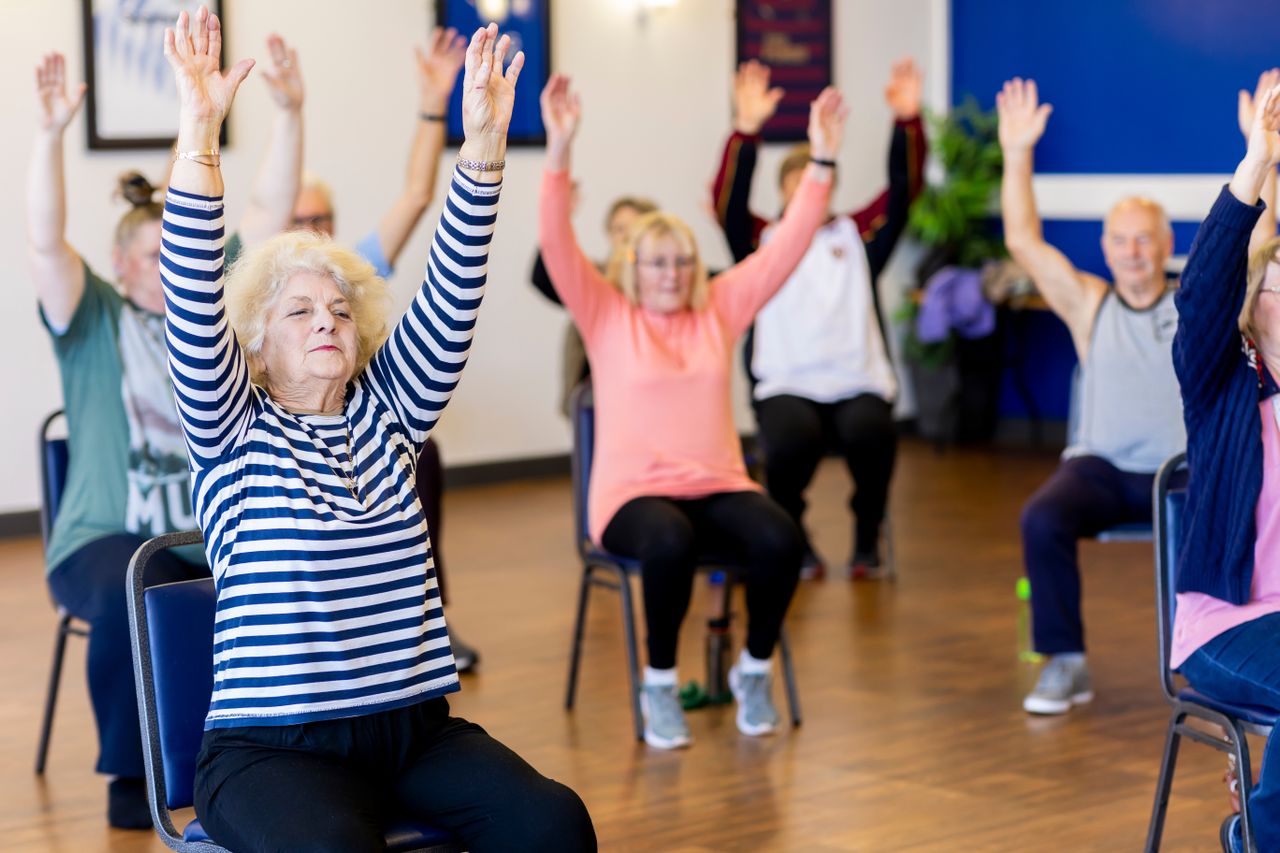
Although life enrichment is often associated with mental and emotional wellness, its connection to physical health is equally important. Programs that incorporate movement, such as dance classes, walking groups, gardening, or tai chi, encourage regular physical activity that can help maintain strength, flexibility, and balance.
Even programs centered on creativity or learning may involve movement that supports mobility and coordination. Older adults who participate regularly in community programs often enjoy better sleep habits, increased daily movement, and greater motivation to maintain healthy routines.
In addition, enjoyable experiences and social interaction can help reduce stress, which supports overall well-being. When residents look forward to participating in community programs, they are often more engaged in daily life and more likely to maintain healthy habits.
Social Connection and Sense of Community
Human connection remains important throughout every stage of life. Life enrichment programs create opportunities for residents to build relationships, share experiences, and develop a strong sense of belonging within their community.
Participation in group programs, volunteer efforts, and intergenerational events helps residents strengthen social networks and form meaningful friendships. These connections provide companionship, emotional support, and opportunities for shared experiences that contribute to overall quality of life.
Many life enrichment programs bring together residents with a wide variety of interests and backgrounds, encouraging new friendships and conversations. Over time, these relationships can become one of the most valuable aspects of community living, helping residents feel connected and involved.
Supporting Choice, Independence, and Dignity
Life enrichment is about recognizing and supporting the whole person. When residents have access to programs that reflect their interests, preferences, and abilities, they are able to make choices about how they spend their time and continue pursuing what matters most to them.
Participating in creative pursuits, educational opportunities, volunteer work, or fitness programs allows older adults to express their individuality and continue growing as individuals. This sense of choice contributes to dignity, confidence, and personal fulfillment.
Communities that prioritize life enrichment understand that residents want more than basic support. They want opportunities to explore interests, build relationships, contribute to their community, and remain engaged in meaningful experiences. By offering a variety of programs, communities support residents in living purposeful and fulfilling lives.
Conclusion
Life enrichment has become an essential part of quality senior care. Meaningful programs that encourage learning, social connection, physical movement, and personal growth can positively influence many aspects of a resident’s well-being. Communities that prioritize life enrichment recognize that supporting older adults involves more than meeting daily needs. It also means creating opportunities for purpose, connection, and continued engagement. By making life enrichment a central part of senior care, communities can help residents enjoy enriching experiences, meaningful relationships, and a greater sense of fulfillment throughout their later years.