
Lifestyle
Holiday photos, boarding passes and burglary: the new rules of sharing travel snaps in 2025


The classic British holiday ritual now has a digital twist. Before suitcases are even unpacked, the airport selfie is already on Instagram, the infinity pool goes on Stories and the boarding pass makes a cameo on X. At the same time, UK insurers, police forces and fraud experts keep repeating a blunt warning: burglars and scammers are watching too. They are not looking for sunsets, but for signs that a house is empty and for the data embedded in those travel snaps.
Recent security briefings make this feel less like scaremongering and more like basic hygiene. Home security experts point out that modern burglars use social media to identify when a property is vacant, sometimes cross-checking posts with mapping tools and public listings to plan their route. Across England and Wales there were about 266,489 burglaries in the most recent year, which works out at roughly 730 break-ins every day, a reminder that opportunistic theft is still common despite smart locks and alarms.
On the digital side, official fraud data shows a sharp spike in account takeovers. Reports of hacked social media and email accounts rose from just over twenty-two thousand cases in 2023 to more than thirty-five thousand in 2024, with nearly one million pounds lost to hackers. In parallel, victims lost more than eleven million pounds to holiday fraud in a single year, with police warning that fake deals and scams promoted on social media now account for a large share of that total. Put together, the message is clear: the way we share travel snaps in 2025 has real-world consequences for our homes, our money and our identities.
Key point
Holiday photos are no longer just memories for friends and family. They are data points that criminals, insurers and fraudsters may treat as evidence.
How can holiday snaps turn into a burglar’s roadmap?
Burglary used to rely heavily on physical surveillance. Now, much of the reconnaissance happens on public timelines. Security researchers cite cases where UK families returned from trips to find their homes stripped, only for investigators to discover a trail of real-time holiday posts and check-ins that advertised when the house would be empty. In another analysis, security specialists interviewed convicted burglars who openly described using Facebook updates about people being “off to the sun for two weeks” as prompts to check satellite imagery, property photos and street layouts before choosing a target.
Insurers have noticed the same pattern from the other side of the claim form. Many home insurance policies now include “reasonable care” clauses that expect customers to take sensible precautions to prevent loss. Providers and industry bodies have warned that broadcasting you are away, particularly on public profiles, could be interpreted as failing to take that care and may be used to challenge a claim if a break-in happens while you are on the beach. That does not mean every selfie invalidates cover, but it does mean that real-time holiday posting has shifted from harmless habit to potential evidence.
Burglars are also looking beyond the fact that you are away. A sequence of posts can reveal much more: the type of door and locks your home uses, the presence or absence of alarms, what kind of car is usually parked outside, even the layout of rooms if you share renovation or Christmas content. With enough patience, criminals can combine this with basic mapping tools to work out likely escape routes and blind spots. From their perspective, your social feed becomes a free, constantly updated reconnaissance file.
Key point
To a criminal or an insurer, your timeline is a timeline of risk: when you are away, how your property is protected and how predictable your patterns are.
What are you really revealing in that “innocent” photo?
The danger in many holiday photos is not the subject, but the background. A smiling family on the driveway might seem harmless until you zoom in and spot the house number, street name on a sign, a distinctive car number plate and a school logo on a child’s blazer. Each small detail helps someone link your online identity to a physical address. Police and security campaigns repeatedly stress that burglars piece together these fragments, rather than relying on a single dramatic clue.
Boarding passes are a particular weak spot. Banks, airlines and travel eSIM security experts have warned that the barcodes and booking references printed on them can expose passenger name records, loyalty numbers and contact details. With that information, a determined fraudster may be able to access airline accounts, change or cancel flights, steal frequent flyer points or use the data to impersonate you in other scams. Even discarded boarding passes in a bin can be risky when combined with social media posts that show your route, dates and hotel.
Then there are all the small identifiers people forget. Hotel welcome cards often show your surname and room number. Pool towel tokens and wristbands can reveal the exact resort you are in. Conference lanyards and festival passes display your employer and job title. It is worth slowing down and using basic editing tools to crop out door numbers, vehicle plates, school badges and printed room details before you let a picture leave your phone, especially if your account is set to public or you have hundreds of weakly known contacts.
Key point
Most risky information hides in the corners of images: numbers, logos, barcodes and names that feel incidental to you but are gold for criminals.
How does oversharing feed fraud and account hacking?
Not every threat is about someone turning up at your front door. Those same fraud statistics on social media and email account hacking show how oversharing also fuels cybercrime. Once criminals control a social profile or inbox, they can reset passwords on other services, impersonate you to friends and family, or demand money directly. The rising number of account takeovers indicates that attackers are getting better at using personal data from public posts to bypass suspicion.
Fraud specialists explain that travel posts are particularly valuable for social engineers. A criminal who knows you are flying on a certain date, staying at a named hotel and travelling with children can craft highly convincing phishing messages, fake airline alerts or bogus booking emails. They might pretend a flight has changed, that there is a problem with your hotel reservation or that a relative has an emergency back home, pushing you to click a link or share extra credentials while you are distracted in an unfamiliar environment.
The images themselves can also leak sensitive data. Screenshots of airline apps, online check-ins or banking notifications are a rich hunting ground for account numbers, balances and security clues. Fraud investigators note that criminals will happily zoom into a screenshot to harvest booking references or loyalty numbers, so a little time spent to crop flight confirmations or account dashboards before sharing can remove the very details they need to take over an account or impersonate you.
Key point
Holiday posts give scammers a ready-made script. Dates, locations and screenshots help them bypass suspicion and guess the answers to security questions.
How should you share travel photos more safely in 2025?
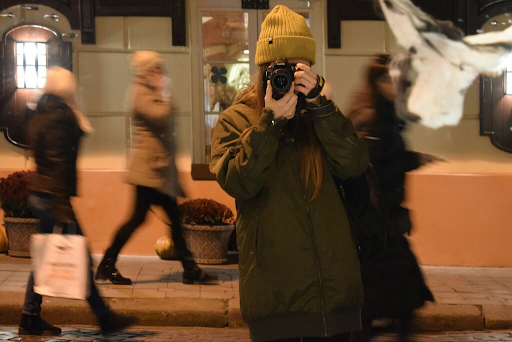
The safest option, according to insurers and many police campaigns, is simple: wait until you are home before sharing anything that clearly shows you are away. Several home insurance providers now explicitly urge customers to post holiday photos only after they return, noting that public real-time posts could be interpreted as increasing the risk of loss. Crime prevention advice echoes this, with police and consumer groups recommending that people restrict audiences, turn off location tagging and avoid “countdown to holiday” posts that act as save-the-date cards for burglars.
Of course, many people still want to share moments in the moment, particularly with close friends and family. That does not have to mean giving up on security. You can treat travel posting as you would basic home security: a set of small habits that together make you a much harder target, both for physical burglars and online criminals. If you really want to share a moment from the airport, at least crop your boarding pass photo to remove barcodes and booking references before it ever reaches your feed, and avoid tagging your exact flight or seat number.
Before you post: a holiday checklist
A simple checklist can turn impulsive sharing into a deliberate choice rather than a reflex. Before you push a holiday snap live, ask yourself a few quick questions.
- Timing: Can this wait until I am back home or at least until I have left the specific hotel or location shown in the picture?
- Audience: Do I really want every follower, including old acquaintances and work contacts, to see where I am and for how long, or should this go to a smaller group chat instead?
- Location data: Have I disabled automatic geotagging, and am I avoiding obvious captions like “off for two weeks, house sitting empty” that spell out my absence?
- Details in frame: Does the image reveal house numbers, school uniforms, car registrations, room numbers, boarding pass details, QR codes or other identifiers that a stranger could use?
- Account security: Have I enabled two-step verification on the accounts I use most, so that even if a password leaks, a hacker still cannot log in easily?
It is also worth thinking about the people who appear in your photos. Children cannot meaningfully consent to having their school logos, clubs or daily routines broadcast to large audiences, and older relatives might be uncomfortable if they understood how much can be inferred from a single image. When in doubt, keep kids’ content within private groups, avoid uniforms and distinctive landmarks near home, and pay attention to what mirrors and windows might be reflecting behind you.
Key point
A few extra seconds of checking timing, audience, location and details can turn a risky post into something you can share with confidence.
In summary
Sharing travel photos is not inherently reckless. For many people, it is part of how they stay connected with loved ones, document milestones and simply celebrate a well-earned break. What has changed is the environment those photos land in. Criminals, fraudsters and insurers now treat your feed as a stream of useful data, not just a scrapbook.
For British holidaymakers in 2025, the new rules are less about fear and more about intention. Treat your posts as signals: decide who they signal to, and what they reveal about your absence, your routine and your personal data. Delay posts when you can, strip out identifiers when you cannot and strengthen the locks on your online accounts as carefully as you lock your front door. The goal is not to stop sharing, but to make sure your memories do not double as a roadmap for the people you most want to keep out.
FAQ
Is it really that dangerous to post holiday photos while I am away?
It depends how much your posts reveal. A single, private update to close friends is lower risk than a public stream of tagged locations, dates and room details, but any real-time content that shows you are away can help burglars and fraudsters.
What is the problem with posting a boarding pass selfie?
Boarding passes often contain barcodes and booking references that can expose your name, contact details and loyalty account information, which criminals can use to access bookings or support targeted scams.
If my account is private, am I safe to share in real time?
A private account reduces risk but does not eliminate it. Large follower lists, weak passwords or repeated use of the same credentials elsewhere can still expose you if a contact is compromised or if a hacker gains access.
How long should I wait before sharing my travel photos?
Security and insurance advice generally suggests waiting until you have returned home, or at least until you have left the specific accommodation shown, so that posts do not advertise an empty property.
What is the single most useful step I can take before my next trip?
Enable two-step verification on your key accounts, review your privacy settings and agree a simple posting rule, such as “no live posts from home or hotel”, so that your holiday sharing becomes a controlled choice rather than a habit.

AI automation agency: Turning repetitive work into reliable workflows

Build Modern Business With White-Label Card Issuing from FuncCards

How Grooming Helps Detect Health Issues Early in Pets

Wall Sign: The Complete Guide to Choosing the Perfect Sign for Your Business

Business Professionals: Key Considerations for Microsoft Teams Integration

Stretch Fit Gym Shirts for Weightlifting and Bodybuilding | ironpandafit

Why Personalized Nutrition Support Is Important for Saskatchewan Residents

Trusted PCB Manufacturer for Startups FastTurnPCB

The “Fast Reply” Rule: Why Speed Wins More Opportunities Than Talent

The Data “Translator”: Turning Physiological Signals into Winning Decisions

Who Is Kate Garraway New Partner? The Truth Revealed

Brandi Raines Net Worth 2025: Age, Bio, Career, Husband and Children

Betsy Grunch Net Worth 2025: Salary, Career, Husband, and Life Story

Salma Shah Biography: Age, Career, Net Worth, Husband and Children

Nomia Iqbal Biography: Age, Husband, Career, Net Worth and BBC Journey

Kay Crewdson Biography: Age, Date Of Birth, Husband, Children, and Net Worth

Sophia Wenzler Biography: Age, Date of Birth, Husband, Career Story, and Net Worth

Ági Barsi’s Untold Story: Sister Of Judith Barsi And Her Battle With Cancer

Mike Danson Biography: Age, Net Worth, Wife, Children and Full Story

What Is eTarget Limited? The Truth Behind Those Mystery Parcels
AI automation agency: Turning repetitive work into reliable workflows
Build Modern Business With White-Label Card Issuing from FuncCards
How Grooming Helps Detect Health Issues Early in Pets
Wall Sign: The Complete Guide to Choosing the Perfect Sign for Your Business
Business Professionals: Key Considerations for Microsoft Teams Integration
Stretch Fit Gym Shirts for Weightlifting and Bodybuilding | ironpandafit
Why Personalized Nutrition Support Is Important for Saskatchewan Residents
Trusted PCB Manufacturer for Startups FastTurnPCB
The “Fast Reply” Rule: Why Speed Wins More Opportunities Than Talent
The Data “Translator”: Turning Physiological Signals into Winning Decisions
-
 News6 months ago
Who Is Kate Garraway New Partner? The Truth Revealed
-
 Net Worth11 months ago
Brandi Raines Net Worth 2025: Age, Bio, Career, Husband and Children
-
 Net Worth11 months ago
Betsy Grunch Net Worth 2025: Salary, Career, Husband, and Life Story
-
 Biography11 months ago
Salma Shah Biography: Age, Career, Net Worth, Husband and Children