Connect with us

Business

Basement Waterproofing Solutions for a Dry, Safe, and Healthy Home

Published

on

Waterproofing

A dry basement is essential to maintaining a safe, healthy, and structurally sound home. Unfortunately, many homeowners struggle with basement moisture problems, ranging from damp walls and musty odors to standing water and flooding. These issues are not only inconvenient but can also lead to serious long-term consequences if left unaddressed. Basement waterproofing solutions are designed to prevent water intrusion, protect your foundation, and create a healthier living environment.

This article explores the importance of basement waterproofing, common causes of basement moisture, available waterproofing solutions, and how to choose the right approach to keep your home dry and secure.

Why Basement Waterproofing Matters

Basements are naturally vulnerable to water intrusion because they are located below ground level. Rainwater, melting snow, and groundwater can accumulate around the foundation, creating pressure that forces moisture through cracks, joints, and porous concrete. Over time, this moisture can cause extensive damage.

Basement waterproofing is important for several key reasons:

  • Structural protection: Excess moisture can weaken foundation walls and floors, leading to cracks, shifting, and costly repairs.
  • Health and safety: Damp environments encourage mold and mildew growth, which can trigger allergies, asthma, and respiratory problems.
  • Property value: A dry, waterproofed basement increases usable space and makes your home more attractive to buyers.
  • Energy efficiency: Moist air is harder to heat and cool, increasing energy costs and reducing indoor comfort.

Investing in proper waterproofing solutions helps prevent these issues before they become serious problems.

Common Causes of Basement Water Problems

Understanding the source of moisture is the first step in choosing the right basement waterproofing solution. Some of the most common causes include:

Poor Drainage Around the Home

Clogged gutters, damaged downspouts, or improper grading can allow rainwater to pool near the foundation. Over time, this water seeps into the basement through small openings.

Foundation Cracks

Concrete foundations naturally develop cracks as a home settles. Even hairline cracks can allow water to enter, especially during heavy rainfall.

Hydrostatic Pressure

When the soil around the foundation becomes saturated, groundwater pressure builds up and pushes water through basement walls and floors.

Porous Concrete and Masonry

Concrete is not completely waterproof. Moisture can slowly pass through foundation walls, causing dampness even when there are no visible leaks.

Window Wells and Basement Openings

Basement windows without proper drainage or covers can easily leak during storms.

Basement Waterproofing Solutions Explained

There are several effective basement waterproofing solutions available, each designed to address specific moisture problems. Often, the best results come from combining multiple methods.

Interior Basement Waterproofing Solutions

Interior waterproofing methods focus on managing water after it enters the basement. These solutions are less invasive and typically more cost-effective.

Interior Drainage Systems

Interior drainage systems collect water along the perimeter of the basement and channel it toward a sump pump. These systems are highly effective at controlling water and preventing flooding.

Sump Pump Installation

A sump pump removes collected water from the basement and discharges it away from the foundation. Many systems include battery backups to ensure protection during power outages.

Waterproof Coatings and Sealants

Specialized waterproof paints and sealants can be applied to basement walls to reduce moisture penetration. While useful for minor dampness, they are not a standalone solution for severe water problems.

Vapor Barriers

Vapor barriers help control moisture and humidity by preventing water vapor from entering the basement space. They are especially useful in finished basements.

Exterior Basement Waterproofing Solutions

Exterior waterproofing addresses the root cause of water intrusion by stopping moisture before it reaches the foundation.

Foundation Waterproof Membranes

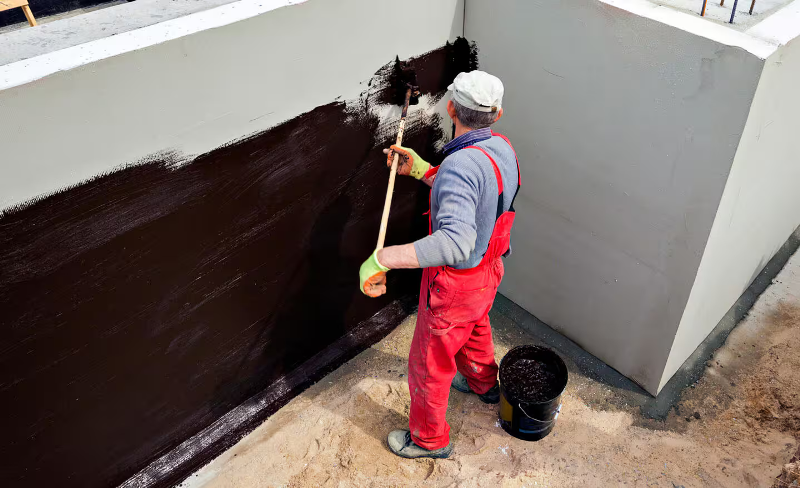
These membranes are applied to the exterior of foundation walls to create a durable, waterproof barrier.

Exterior Drainage Systems

Exterior drain tiles or French drains redirect groundwater away from the foundation, relieving hydrostatic pressure.

Proper Grading and Landscaping

Adjusting the slope of the soil around the home ensures that water flows away from the foundation instead of pooling near it.

Although exterior waterproofing can be more expensive due to excavation, it provides long-term protection and is often the most comprehensive solution.

Foundation Crack Repair

For homes with localized leaks, foundation crack repair may be sufficient. Epoxy or polyurethane injections seal cracks from the inside, preventing water from entering while restoring structural integrity.

Crack repair works best for minor to moderate issues and is often combined with other waterproofing methods for maximum effectiveness.

Signs Your Basement Needs Waterproofing

Many basement moisture problems start small and worsen over time. Watch for these warning signs:

  • Musty or damp odors
  • Visible mold or mildew
  • White chalky residue on walls (efflorescence)
  • Peeling paint or bubbling wall finishes
  • Warped flooring or rotting wood
  • Standing water or recurring puddles

If you notice any of these symptoms, it’s important to act quickly to prevent further damage.

Choosing the Right Waterproofing Solution

Every home is different, and the right basement waterproofing solution depends on several factors:

  • Severity and frequency of water intrusion
  • Age and condition of the foundation
  • Soil type and local water table
  • Budget and long-term plans for the basement

A professional inspection can identify the source of the problem and recommend a customized solution that provides lasting results.

Professional Waterproofing vs. DIY Solutions

While some minor tasks like extending downspouts or sealing small cracks can be done by homeowners, major basement water issues usually require professional expertise.

Professional waterproofing offers:

  • Accurate diagnosis of the moisture source
  • Access to advanced tools and materials
  • Proper installation and warranties
  • Long-term peace of mind

DIY fixes may temporarily reduce moisture but often fail to address the underlying cause.

Conclusion

Basement waterproofing solutions play a vital role in creating a dry, safe, and healthy home. From interior drainage systems and sump pumps to exterior membranes and foundation crack repair, the right combination of methods can effectively protect your basement from water damage.

By addressing moisture problems early and choosing the appropriate waterproofing solutions, homeowners can prevent structural damage, improve indoor air quality, and increase the value of their property. A dry basement is more than just a convenience—it’s a foundation for a healthier, more secure home for years to come.

Continue Reading

Categories

Trending