
Connect with us

Guide

Energy-Saving Home Upgrades: Why Gasket Weather Seals Are the Unsung Heroes

Published

on

Energy-Saving Home Upgrades: Why Gasket Weather Seals Are the Unsung Heroes
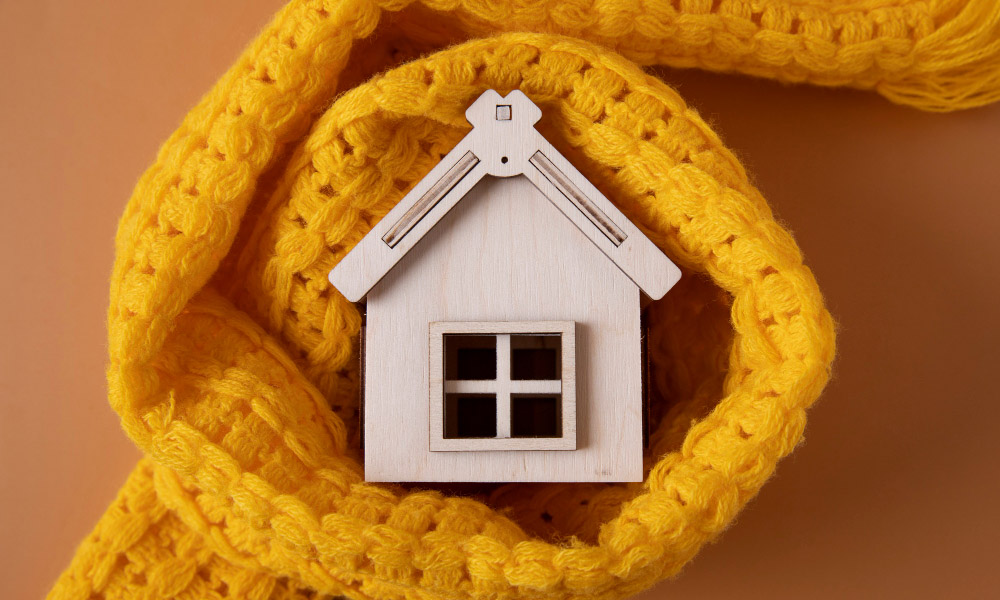
With rising energy bills and growing awareness around sustainability, more homeowners are searching for affordable ways to make their properties energy-efficient. While double glazing and insulation tend to steal the spotlight, there’s one unsung hero that quietly works behind the scenes to save money and keep homes comfortable — the humble gasket weather seal.

At Home Secure, we’ve seen first-hand how upgrading simple components like door and window seals can significantly reduce heat loss, lower utility bills, and extend the lifespan of uPVC frames. Here’s why gasket weather seals deserve a place at the top of your home improvement list.

🔍 What Are Gasket Weather Seals?

Gasket weather seals — sometimes called uPVC window seals or door gaskets — are flexible rubber or silicone strips that fit into the frame of windows and doors. Their main job? To seal the gap between the frame and the sash, stopping air, water, and noise from sneaking through.

Over time, these seals can flatten, crack, or detach — especially under constant exposure to weather and temperature changes. When that happens, even the best-insulated property starts leaking heat, leading to cold draughts, condensation, and higher heating bills.

Replacing them is one of the easiest and most cost-effective home upgrades you can make.

💨 How Much Energy Do You Really Lose Through Gaps?

Studies show that up to 20% of a home’s heat loss occurs through draughts and poorly sealed windows or doors. That means every gap, no matter how small, forces your heating system to work harder — costing you money every single day.

If you’ve ever felt a cold breeze near your window on a windy evening, that’s a clear sign your gaskets are underperforming. By sealing those gaps with fresh weatherstripping, you create a continuous barrier against air infiltration, keeping warmth in and cold out.

The result?

  • Reduced energy consumption
  • Lower heating bills
  • More consistent indoor temperatures
  • A noticeable improvement in comfort

🧩 The Hidden Benefits Beyond Energy Efficiency

While saving energy is the main benefit, gasket weather seals offer a range of additional advantages that often go unnoticed:

🛡️ Protection Against Moisture and Damp

Damaged or missing gaskets allow rain and condensation to creep into your uPVC frames. Over time, this can lead to mould growthdamp patches, and even frame warping. A fresh gasket helps form a watertight seal, preventing long-term damage.

🔇 Quieter Living Spaces

A tight seal also acts as a sound barrier. For homeowners living near busy roads, train lines, or noisy neighbours, new gaskets can significantly reduce external noise and create a calmer, quieter home environment.

🌬️ Improved Air Quality

By blocking external draughts, gaskets help maintain balanced indoor air circulation. This means fewer allergens and pollutants drifting indoors — an often-overlooked benefit for anyone with allergies or respiratory sensitivities.

💪 Longer Door and Window Lifespan

When your seals are functioning properly, your doors and windows close more gently and evenly, reducing mechanical strain on hinges, locks, and handles. That means fewer repairs and replacements over time.

🧱 Types of Gasket Weather Seals

Not all seals are the same. Understanding which type fits your uPVC system is key to achieving the best performance:

  • Bubble Gasket: Soft and rounded — ideal for sealing against uneven surfaces. Common in older uPVC windows.
  • Wedge Gasket: Triangular in shape — fits between the glass and frame to hold glazing units firmly.
  • E-Gasket / Flipper Gasket: Flexible lip design — perfect for door systems requiring movement and compression.
  • Universal Seal Profiles: Designed to fit a range of modern and legacy uPVC frames.

Each style has a specific purpose, and the right one can make the difference between an airtight seal and a wasted investment.

If you’re unsure which you need, check out the Home Secure Gasket & Weatherseal Collection — complete with sample packs, profile diagrams, and replacement options for all common uPVC systems.

🛠️ How to Replace a Gasket Seal Yourself

The good news is that replacing worn seals doesn’t require specialist tools or professional installation. Here’s how you can do it:

  1. Inspect the old gasket – Look for cracks, gaps, or compression marks.
  2. Remove the existing seal – Gently pull it out of the groove.
  3. Clean the area – Remove debris, dirt, and adhesive residue.
  4. Measure and cut your new seal – Always leave a slight overlap at the corners for a perfect fit.
  5. Press into place – Push the new gasket into the channel using steady pressure.

You’ll immediately notice improved insulation and smoother door or window operation.

💷 The Cost vs. the Savings

While energy-efficient upgrades like triple glazing can cost thousands, new weather seals are incredibly affordable — often just a few pounds per metre. Yet they can make a measurable difference to your annual heating bill.

For landlords and homeowners alike, replacing gaskets is a low-cost way to meet energy-efficiency standards without major renovation work. It’s also a smart move before winter, helping maintain EPC ratings and tenant comfort.

🌿 The Eco-Friendly Impact

Energy efficiency isn’t just about comfort — it’s also about sustainability. By reducing heat loss, you’re using less energy, lowering your carbon footprint, and contributing to national energy-saving goals.

When multiplied across thousands of households, small upgrades like replacing seals could save millions of kilowatt-hours of wasted energy every year.

💡 Final Thoughts

In the world of home improvement, it’s easy to focus on big-ticket upgrades and overlook the smaller details that have huge long-term benefits. Gasket weather seals may not be glamorous, but they’re one of the most efficient, affordable, and eco-friendly ways to boost your property’s performance.

Whether you’re a homeowner looking to cut energy costs, a landlord maintaining multiple properties, or a DIY enthusiast tackling small upgrades, replacing your seals should be a top priority this season.

Continue Reading

Categories

Trending