
Tech
How to Create Image Assets Before Building a Video

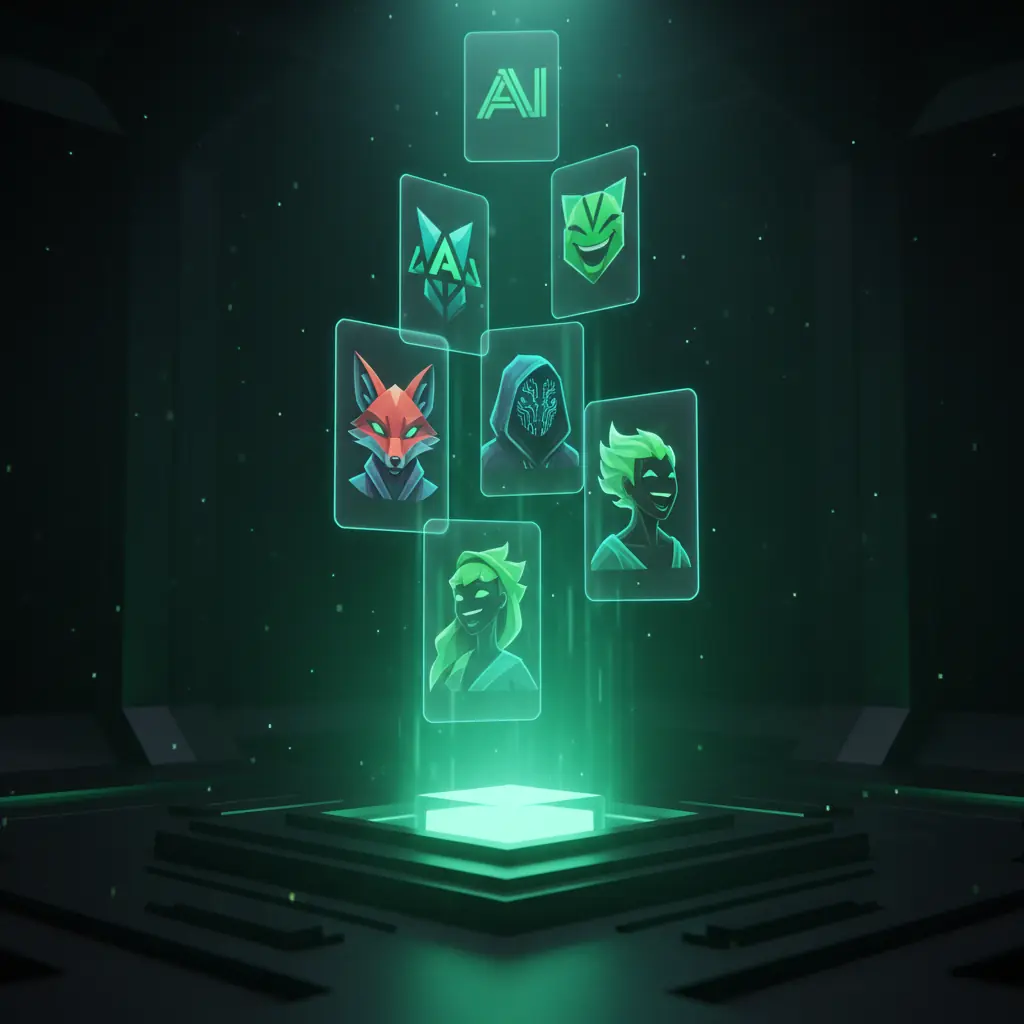
Creating videos on the fly, without first visualizing, is like nailing without woodHow to Generate Image Assets with video be for you Build a video Creating videos on the fly, without first planning the visuals in advance is like nailing without wood. It will be the result of making a mess on the way. In the era of digital marketing, brands are realizing that developing image assets prior to video production greatly increases pace, quality and audience engagement. This change is further amplified as AI-based tools are transforming the way campaign production is executed from start to end by creators.
In the past, video production was heavily reliant on cameras, actors, lighting equipment, and post-production crews. Now, marketers can create visual concepts in minutes with the help of AI image generators, then turn those assets into compelling social videos through an AI explainer video generator. So the creative process starts long before animation and editing. Brands now create characters, scenes, moods, and visual identities first, to make sure each frame supports campaign goals.
Off-the-shelf image assets can also add a degree of uniformity across platforms. Consider the way that the content consumption of the audiences is these days. One might encounter a static Instagram ad for the first time, then a TikTok snippet, then a YouTube short, and finally a landing page video. When those images feel disjointed trust drops immediately. When image planning is done right, everything feels like it comes from the same ecosystem. That is where the value of a brand kit video strategy becomes really powerful, it keeps fonts, colors, logos, and visual tone consistent across every channel.
The development cycles have been greatly compressed with the emergence of AI tools. Based on HubSpot marketing statistics, time to produce content is reduced by approximately 40% for brands that use AI-driven creative workflows. That’s because speed is crucial in a social-first world where trends vanish after just a few days. Companies that can quickly turn an idea into a social video gain a massive competitive advantage.
Discover the Relation Between AI Images and AI Videos

AI image generators are not just experimental tools for artists.
They have become routine parts of campaign production pipelines. These are the coherent visual systems, which generate images according to style, composition, lighting, texture, and subject guidelines in the prompt. The result is a ridiculously quick way to define a campaign’s creative direction, well before you’re in video production.
Just imagine that you’re launching a skincare campaign. Before they create a single video scene, marketers can (using AI tools) produce lifestyle shots, product close-ups, backgrounds, color palettes and snippets of emotional mood. These assets then guide the creation of a video. That’s actually quite normal, because content creators don’t just have to guess what the final video should look like — they already have a visual roadmap.
AI image generation is when they shine brightest. Brands maybe find it hard to keep consistent aesthetics across many campaigns with different designers and editors interpreting the ideas differently. AI-created image assets fix that problem by providing reusable visual references. After a style prompt is good, it can be repeated and refined a lot.When AI image generation is combined with structured brand kits, campaigns become scalable.more scalable. A lean marketing team all of a sudden can churn out visuals at the pace of a much larger creative agency.
How AI Video Tools Transform Static Assets Into Motion
Once image assets are ready, AI video platforms transform them into dynamic content. This is where the connection between AI images and AI videos becomes seamless. Instead of starting with raw footage, creators use predesigned visuals as the foundation for animation, transitions, voiceovers, and storytelling.
Modern AI video tools can animate still images, create cinematic zoom effects, generate subtitles, synchronize audio, and even produce talking avatars. An AI explainer video generator can take a product image and automatically build a short promotional sequence optimized for TikTok, Instagram Reels, or YouTube Shorts.This process dramatically lowers production costs. Traditional explainer videos may require scriptwriters, storyboard artists, actors, editors, and motion designers. AI reduces much of that workload into a streamlined workflow controlled by prompts and templates. Businesses that once needed weeks to create social content can now produce multiple campaign variations in a single afternoon.
The technology also improves testing and experimentation. Since AI videos are faster to create, marketers can launch several versions with different messaging styles, hooks, or visuals. Data then reveals which version performs best. That level of agility is reshaping digital advertising entirely.
As marketing strategist Neil Patel once said:
“Speed is now one of the most important advantages in digital marketing.”
AI-powered visual production gives brands exactly that speed.
Building a Strong Visual Foundation for Campaigns
Creating Mood Boards and Brand Direction
Every successful video campaign begins with emotional direction. Before prompts are written or animations generated, creators need clarity about how the audience should feel. Mood boards remain one of the most effective ways to establish that direction.
A mood board acts like a visual compass. It gathers colors, photography styles, typography references, textures, emotional cues, and cinematic inspirations into one place. AI tools now
make mood board creation significantly easier because creators can generate endless references instantly instead of searching stock libraries for hours.
Suppose a fitness brand wants an energetic and futuristic campaign. AI-generated references might include neon lighting, urban textures, athletic movement, and cyber-inspired aesthetics. These references become the foundation for every subsequent video asset.
Strong mood boards also improve collaboration. Marketing teams, designers, editors, and stakeholders can align around a shared vision before production starts. This reduces revisions later, saving both time and budget.
Using a Brand Kit Video Strategy for Consistency
A brand kit video strategy ensures visual cohesion across every asset. Without structured branding, AI-generated campaigns can quickly become chaotic because the tools produce enormous creative variation. Brand kits create guardrails that maintain identity.
The most effective brand kit systems include:
- Defined visual themes
- Approved AI prompts
- Logo animation rules
- Voiceover tone guidelines
- Transition styles
- Caption formatting
- Music preferences
When these elements are standardized, AI tools become far more effective. Every generated asset automatically feels connected to the broader campaign identity.
This matters especially in social media marketing where recognition happens in seconds. Users scrolling quickly through feeds identify familiar colors, typography, and motion styles subconsciously. Consistency builds trust, and trust increases engagement.
Crafting Better Prompts for AI Content Creation
Prompt Engineering for AI Images
The quality of AI-generated visuals depends heavily on prompt quality. Weak prompts create generic content, while detailed prompts produce cinematic and highly targeted results. Prompt engineering has become one of the most valuable creative skills in modern marketing.
Effective prompts usually include:
- Subject description
- Lighting direction
- Camera angle
- Color palette
- Emotional tone
- Artistic style
- Environment details
For example, instead of writing:
“Create a business image”
A stronger prompt would say:
“Create a cinematic modern startup office scene with warm lighting, diverse team collaboration, minimalist design, shallow depth of field, realistic photography style, optimized for social media advertising.”
That level of detail helps AI systems generate more usable assets immediately.
Prompt Engineering for AI Video Scripts
Video prompts require storytelling structure. An AI explainer video generator works best when prompts clearly define:
- Target audience
- Main problem
- Product solution
- Emotional tone
- Call to action
A good AI video script prompt may look like this:
“Create a 30-second social media explainer video for a productivity app targeting remote workers. Use upbeat music, fast-paced transitions, modern visuals, and a motivating tone. Include captions and a strong call to action.”
Precise prompting minimizes editing later and creates stronger campaign alignment.
Using an AI Explainer Video Generator for Faster Production
Turning Concepts Into Short Social Videos
Short-form video dominates digital engagement today. TikTok, Instagram Reels, LinkedIn clips, and YouTube Shorts have transformed audience behavior. Brands now compete for attention within the first three seconds of a video.
An AI explainer video generator helps marketers move rapidly from concept to finished content. Instead of manually editing scenes, creators upload image assets, insert prompts, and let AI generate transitions, timing, animations, and voice synchronization automatically.
This workflow works especially well for:
- Product launches
- SaaS demos
- Educational content
- Social ads
- Brand storytelling
- Event promotions
The biggest advantage is scalability. A single campaign can generate dozens of variations tailored to different audiences and platforms.
Automating Voiceovers, Captions, and Scenes
AI automation extends far beyond visuals. Modern video generators now handle voiceovers, subtitles, scene pacing, translations, and sound design automatically. This dramatically increases accessibility and engagement.
Research from Wyzowl shows that videos with captions improve watch time significantly because many users watch social content without sound. AI tools now generate accurate captions instantly, reducing manual editing work.
Voice AI has improved rapidly as well. Brands can select natural-sounding voices matching their identity, whether professional, energetic, conversational, or authoritative. Combined with prebuilt image assets and strong prompts, these features create highly polished videos at remarkable speed.
Following a structured workflow prevents creative confusion and improves production efficiency.
Common Mistakes Brands Should Avoid
Many brands rush into AI production without strategy. One common mistake is overusing generic templates. Audiences quickly recognize repetitive visuals, reducing authenticity.
Another issue is ignoring storytelling. AI tools generate visuals fast, but emotional connection still matters. Strong campaigns combine automation with human creativity.
Brands should also avoid inconsistent prompts. If visual instructions constantly change, campaign identity becomes fragmented. Maintaining a structured brand kit video framework prevents that problem.
Future Trends in AI-Powered Video Marketing
AI-driven campaign production is evolving rapidly. Experts predict that future systems will generate fully interactive videos personalized in real time for each viewer. Imagine social ads adapting automatically based on location, interests, or browsing behavior.
Hyper-personalization will likely become standard. AI tools may soon create thousands of unique video variations simultaneously while preserving brand consistency. Real-time rendering, AI avatars, and dynamic storytelling will continue reshaping content marketing.
The brands that master AI image assets today will have a significant advantage tomorrow because they already understand the relationship between visual planning, automation, and scalable storytelling.
Conclusion
The future of campaign production begins long before the final video export. Creating image assets first gives brands clarity, consistency, and speed. AI image generators establish visual identity, while AI video tools transform those assets into engaging stories optimized for modern social platforms.A strong brand kit video strategy ensures campaigns remain visually connected across every touchpoint. At the same time, an AI explainer video generator allows marketers to scale production faster than traditional workflows ever allowed.The real power comes from combining creativity with automation. AI handles repetitive production tasks, while human creators focus on storytelling, emotion, and strategy. That partnership is shaping the next era of digital marketing.

Everything I Wish I’d Known Before Opening a Coffee Shop

Why Life Enrichment Is Essential in Modern Senior Care

7 Things Every Automatic Watch Owner Should Know About Watch Winders and Watch Rolls

Watch GT 7 pro: Premium Outdoor Performance, Refined

How to Make Your First Investment Without Overcomplicating It

What Stains Can And Can’t Be removed of your carpet?

Best Codeless Test Automation Tools for Modern QA Teams

Discover Why Montenegro Is Attractive to Investors from Around the World

Who Is Alissa Mahler? The Amazing Story Behind Michael Knowles’ Wife

Robin Stapler Biography: How Alfonso Ribeiro’s Ex-Wife Built Her Own Success

Who Is Kate Garraway New Partner? The Truth Revealed

Brandi Raines Net Worth 2025: Age, Bio, Career, Husband and Children

Betsy Grunch Net Worth 2025: Salary, Career, Husband, and Life Story

How GetAccept’s CPQ Tool is Revolutionizing Sales Efficiency

Salma Shah Biography: Age, Career, Net Worth, Husband and Children

Nomia Iqbal Biography: Age, Husband, Career, Net Worth and BBC Journey

Justin Basini Biography: Net Worth, Success, ClearScore, And His Big Ideas

Kay Crewdson Biography: Age, Date Of Birth, Husband, Children, and Net Worth

Mike Danson Biography: Age, Net Worth, Wife, Children and Full Story

What Is eTarget Limited? The Truth Behind Those Mystery Parcels
Everything I Wish I’d Known Before Opening a Coffee Shop
Why Life Enrichment Is Essential in Modern Senior Care
7 Things Every Automatic Watch Owner Should Know About Watch Winders and Watch Rolls
Watch GT 7 pro: Premium Outdoor Performance, Refined
How to Make Your First Investment Without Overcomplicating It
What Stains Can And Can’t Be removed of your carpet?
Best Codeless Test Automation Tools for Modern QA Teams
Discover Why Montenegro Is Attractive to Investors from Around the World
Who Is Alissa Mahler? The Amazing Story Behind Michael Knowles’ Wife
Robin Stapler Biography: How Alfonso Ribeiro’s Ex-Wife Built Her Own Success
-
 News1 year ago
Who Is Kate Garraway New Partner? The Truth Revealed
-
 Net Worth1 year ago
Brandi Raines Net Worth 2025: Age, Bio, Career, Husband and Children
-
 Net Worth1 year ago
Betsy Grunch Net Worth 2025: Salary, Career, Husband, and Life Story
-
 Business9 months ago
How GetAccept’s CPQ Tool is Revolutionizing Sales Efficiency