
Connect with us

Blog

Exit Navigation Made Easy: How to Find Your Way Out Safely

Published

on

Exit Navigation Made Easy: How to Find Your Way Out Safely
Have you ever walked into a big building and thought, “If something happens, how do I get out?”
This happens to many people. Malls, offices, airports, and even hospitals can feel confusing. When there are many doors and long hallways, it is easy to feel lost.

This is where exit navigation becomes very important. Exit navigation helps people find the safest and fastest way out of a place. It is useful in normal times and even more important during emergencies. In this article, we will talk about exit navigation in a very simple way. You will learn what it is, why it matters, and how it works step by step.

What Is Exit Navigation?

Exit navigation means guiding a person to the right exit. It helps people move out of a place safely and without stress. This can be done using signs, lights, maps, staff help, or even phone apps.

You can see exit navigation almost everywhere. It is used in offices, schools, malls, hotels, and stadiums. In emergencies like fires or power cuts, exit navigation becomes a lifesaver. It shows people where to go when time matters most.

In simple words, exit navigation answers one clear question:
“How do I get out safely from here?”

Why Exit Navigation Is So Important

Exit navigation helps people stay calm. When people know where to go, they panic less. Panic can cause mistakes, crowding, or even injuries. Clear exit navigation helps avoid all of this.

It is also important because it saves time. In an emergency, every second counts. Good exit navigation helps people leave faster and in an organized way. This is why safety experts and building rules focus so much on exits and signs.

Even in normal situations, exit navigation is helpful. It makes places easier to use and less confusing for everyone.

Exit Navigation in Buildings and Public Places

In buildings, exit navigation usually starts with signs. You often see green exit signs with arrows. These signs point toward stairs, doors, and safe paths. They are placed high so people can see them easily.

Lights and alarms are also part of exit navigation. When something goes wrong, lights may turn on and alarms may sound. These guide people toward the nearest exit. Some buildings also use speakers to give clear voice instructions.

All of this works together to help people move out safely, even if they are new to the building.

How Exit Navigation Works Step by Step

Exit navigation follows a simple flow. First, you find the nearest exit sign. These signs are usually placed in hallways and near doors. Once you see one, you follow the arrow it shows.

Next, you stay on that path. You do not change direction unless another sign tells you to. This helps avoid confusion and crowding. Exit navigation is designed so many people can move at the same time.

Once you reach the exit, you keep moving away from the building. This is the final step of exit navigation and helps keep everyone safe.

Exit Navigation During Emergency Situations

During emergencies, exit navigation becomes even more important. Fires, earthquakes, or power failures can make places dark and loud. People may feel scared or confused.

In these moments, exit navigation helps guide people without delay. Flashing lights, alarms, and clear signs show the safest way out. Staff and emergency workers may also help guide people.

The key thing to remember is to stay calm. Exit navigation works best when people move slowly, listen carefully, and follow instructions.

Manual Exit Navigation Without Technology

Sometimes, technology does not work. Power may go out, or phone signals may fail. This is when manual exit navigation is needed.

Manual exit navigation means using your eyes and common sense. You look for exit signs, maps on walls, or printed floor plans. You can also ask staff or security for help if they are nearby.

This type of exit navigation reminds us of one thing: knowing your surroundings is always helpful. Even without apps or systems, calm thinking can guide you out safely.

Exit Navigation Using Digital Maps and Apps

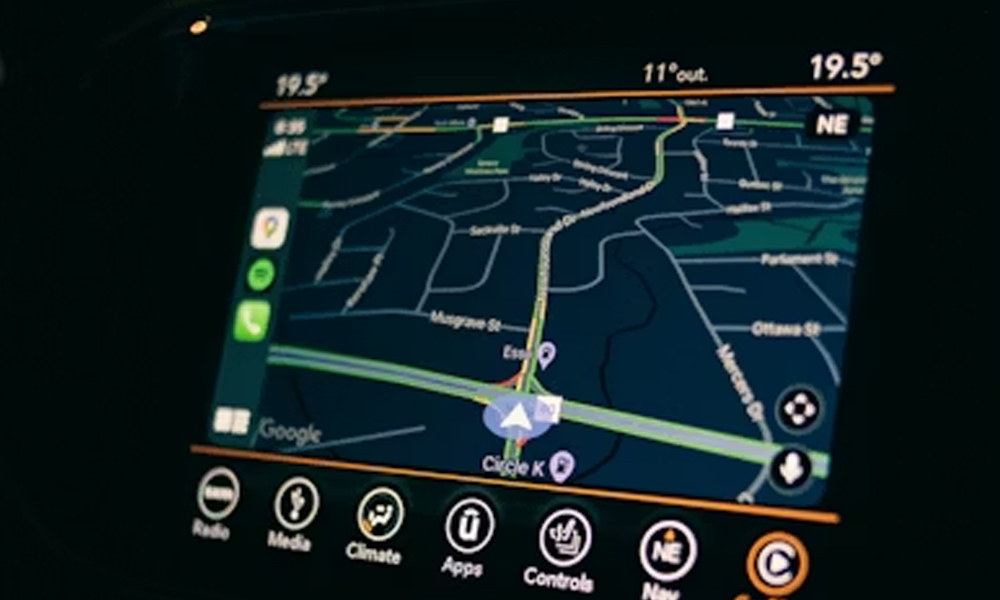
In today’s world, many people use their phones to find their way. Digital maps and apps make exit navigation easier when you are outside or in a new area. These tools show directions, nearby exits, and safe paths in real time.

For example, if you are visiting a new city and feel lost, a map app can guide you out of a busy area. It can show walking paths, roads, and public places. This type of exit navigation is very helpful when you do not know the area well.

Still, it is good to remember one thing. Phones can lose signal or battery. So digital exit navigation is helpful, but it should not be the only thing you rely on.

Exit Navigation in Google Maps Explained

Many people use Google Maps every day. It helps with driving, walking, and public transport. Exit navigation in Google Maps simply means ending or stopping the route when you no longer need it.

Sometimes you reach your place early. Other times you take a different path. In these moments, you may want to stop exit navigation and return to the normal map view. This helps keep the screen clean and easy to use.

Knowing how exit navigation works in Google Maps saves time and avoids confusion. It also helps reduce stress when plans change.

How to Stop Exit Navigation in Google Maps

Stopping exit navigation in Google Maps is very easy. When you are following a route, you will see a stop or “X” button on the screen. One tap ends the navigation.

Once you stop it, the app goes back to the main map. You can then search for a new place or simply close the app. This is useful when you no longer need directions.

This small action gives you full control. Exit navigation should work for you, not confuse you.

Exit Navigation Voice and App Settings

Some people like voice help. Others prefer silence. Google Maps lets you choose what works best for you. You can turn voice guidance on or off in the settings.

You can also stop the app from starting navigation by itself. This is helpful if you only want to check routes and not follow them. Adjusting these settings makes exit navigation feel more personal and comfortable.

These options are great in 2025 because people want control, privacy, and ease while using apps.

Exit Navigation Safety Tips Everyone Should Know

Exit navigation works best when people stay calm. Rushing or pushing can be dangerous. It is always better to move slowly and follow signs or instructions.

If you are driving, do not look at your phone too much. Set your route before you start. Use voice help if needed. Always follow traffic rules, even if the app suggests something different.

Remember, exit navigation is a guide, not a rulebook. Your safety and awareness matter most.

Conclusion

Exit navigation is a simple but powerful idea. It helps people find their way out safely, both in buildings and in daily life. From signs on walls to apps on phones, it keeps things clear and calm.

The best part is that anyone can learn it. You do not need special skills. You just need to stay aware, stay calm, and follow clear paths. Exit navigation is not only for emergencies. It is a useful life skill.

When you understand exit navigation, you feel more confident wherever you go. And that confidence makes every journey safer and easier.


You may also read: Home Upgrading Mintpalment: Simple Changes That Make Your Home Feel New Again

Continue Reading

Categories

Trending