Connect with us

Lifestyle

How Grooming Helps Detect Health Issues Early in Pets

Published

on

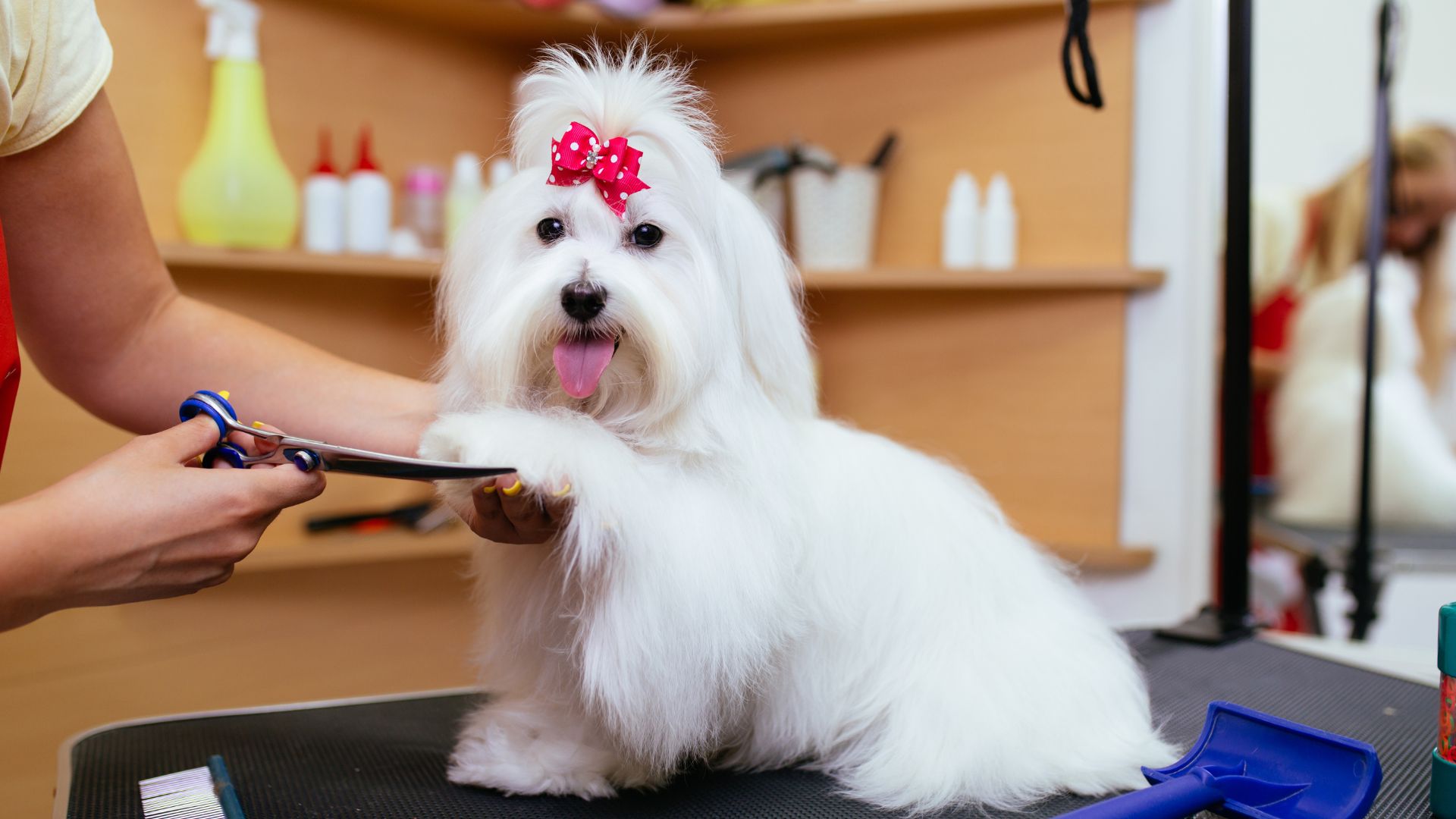
Regular grooming sessions do so much more than keep your pets looking their best. Think of these appointments as mini health checkups that can uncover medical issues long before they spiral into serious problems. Professional groomers and dedicated pet owners who stick to consistent grooming routines often spot abnormalities that might slip past even the most attentive eye during everyday interactions. When you understand how grooming connects to health monitoring, you’re essentially turning each session into a proactive wellness exam.

Skin Conditions and Parasites Detection During Grooming

Getting hands-on during grooming means you’re thoroughly checking your pet’s skin, which typically stays hidden under all that fur. While brushing and bathing, groomers can catch early warning signs like dermatitis, hot spots, rashes, or weird discoloration that might point to allergies or infections brewing beneath the surface. The up-close-and-personal nature of grooming also makes it much easier to spot unwelcome guests, fleas, ticks, and mites, before they turn into full-blown infestations. These tiny parasites aren’t just annoying; they can transmit serious diseases and make your pet absolutely miserable.

Ear and Eye Health Assessment Through Regular Grooming

Grooming naturally involves paying attention to your pet’s ears and eyes, two spots where problems love to develop but often go unnoticed during your typical daily cuddle sessions. When cleaning ears, groomers can pick up on excessive wax, funky odors, redness, or discharge that scream ear infection or mite trouble. Left untreated, chronic ear issues can lead to serious pain and even permanent hearing loss, which is why checking them during each grooming session matters so much. The same goes for eyes.

Dental and Oral Health Indicators Revealed During Grooming

While grooming is mainly about coat care, observant groomers and pet owners also pick up on oral health problems during those close-up moments with pets. Bad breath is usually the first red flag for periodontal disease, tooth decay, or other dental issues that affect most adult pets at some point. When working around the head and face during grooming, groomers might notice excessive drooling, trouble chewing, or a pet that suddenly doesn’t want their face touched, all signs of oral pain or disease lurking in the mouth. Visible tartar buildup, swollen gums, wobbly teeth, or bleeding can also come to light during these sessions.

Joint, Mobility, and Weight Changes Noticed During Handling

The physical handling that’s part and parcel of grooming tells you a lot about your pet’s musculoskeletal health and overall body condition. Groomers frequently notice when pets show pain responses, move stiffly, or can’t quite manage their usual range of motion during positioning, possible signs of arthritis, hip dysplasia, or other joint troubles. These mobility issues tend to creep up gradually, making them tough for owners to spot during normal playtime or walks, but they become glaringly obvious when pets need to stand, turn, or hold still during grooming. Beyond mobility, the hands, on nature of grooming lets you assess body condition and weight shifts that might escape notice when you’re just watching your pet from across the room.

Behavioral Changes and Discomfort Signals During Grooming Sessions

Grooming sessions offer unique windows into your pet’s behavioral health and emotional state that go hand-in-hand with physical health checks. Pets who used to sit pretty for grooming but suddenly become anxious, aggressive, or resistant might be dealing with pain or discomfort from something that hasn’t been diagnosed yet. Temperament changes during grooming can indicate everything from arthritis making certain positions uncomfortable to cognitive decline affecting how pets handle familiar experiences. Professionals who provide dog grooming in Tampa, FL know that excessive scratching, licking, or biting at specific spots during or between sessions often signals allergies, skin irritation, or localized pain that needs medical attention. Experienced groomers who understand animal behavior can tell the difference between normal nervousness and reactions that suggest something’s actually wrong health-wise. They can also identify anxiety disorders or cognitive dysfunction in older pets, conditions that respond really well to early intervention. By keeping up with regular grooming schedules and tuning into behavioral patterns, you’re creating opportunities to catch psychological and neurological issues alongside physical health concerns.

Coat Quality and Condition as Health Indicators

Your pet’s coat acts like a window into their overall health, and regular grooming gives you the perfect chance to monitor any changes in coat quality. A healthy coat should look shiny and smooth, without excessive shedding or bald patches showing up where they shouldn’t. On the flip side, dull, brittle, or thinning fur often means something’s off, maybe nutritional deficiencies, hormonal imbalances, or systemic illnesses. During grooming, changes in coat texture, unusual hair loss patterns, or difficulty keeping a healthy coat despite your best efforts can point to thyroid disorders, Cushing’s disease, or other endocrine system problems.

Conclusion

Regular grooming goes far beyond keeping your pet looking good and smelling fresh, it’s actually an essential piece of preventive healthcare. The thorough, hands, on examination that happens during grooming creates countless opportunities to spot health problems when they’re still in their earliest, most treatable stages. From catching skin conditions and parasites to recognizing mobility issues and behavioral shifts, grooming functions as a comprehensive health screening that works alongside your regular vet visits. Pet owners who make consistent grooming a priority, whether at home or with professionals, are really investing in their pets’ long-term health and happiness.


Continue Reading

Categories

Trending